

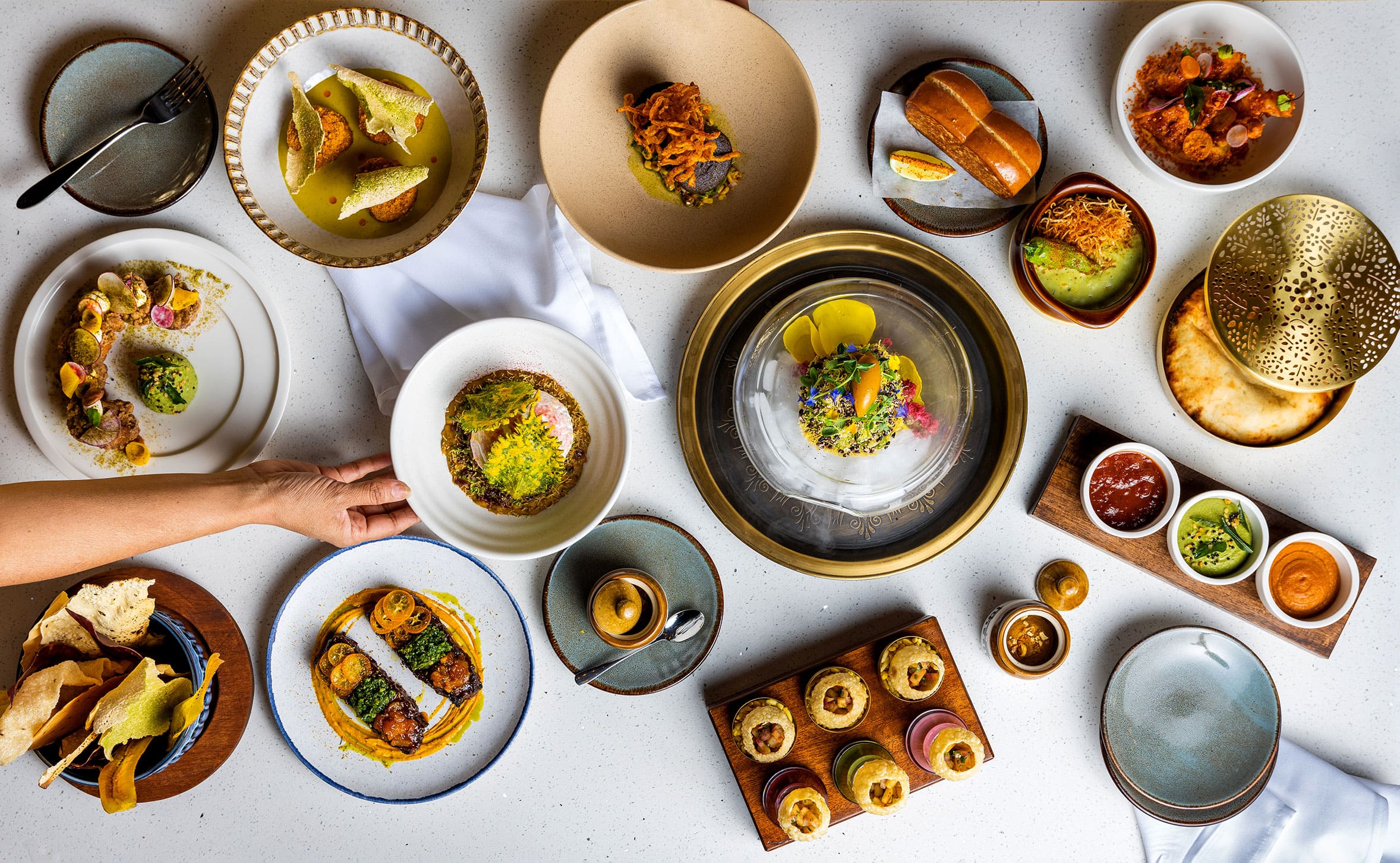
India’s food landscape is exploding with fresh flavors, methods, and ingredients progressive after two difficult years for the hospitality sector. The year 2022 has been dubbed “the year of dining out,” and chefs all over the nation are embracing Indian cuisine, introducing cities to lesser-known cuisines, blending ancient culinary techniques with contemporary cuisine, and redefining ideas about what constitutes a balanced diet. These are the most cutting-edge eateries that will debut in India in 2022.
People of Tomorrow, Delhi
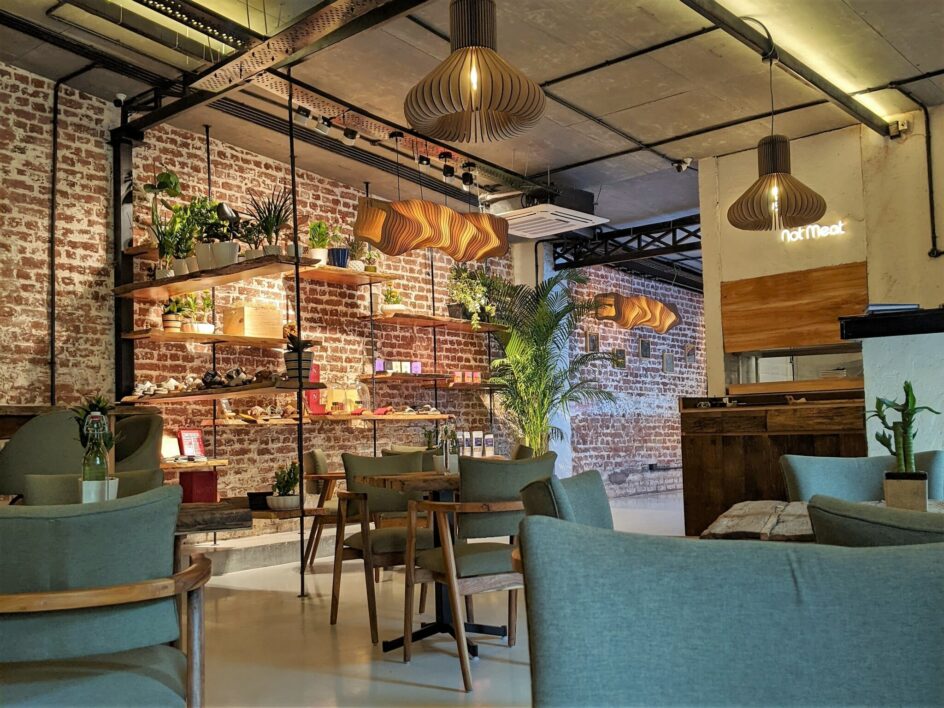
Chef Sambhavi Joshi practices what she refers to as a “shameless” approach to vegan cooking at People of Tomorrow in Chhatarpur. Many people are skeptical of promises regarding sustainability and veganism, despite the growing movement. Joshi wants to allay people’s fears about plant-based diets by demonstrating that it is possible to eat deliciously and affordably. Only three of the restaurant’s ingredients are imported, yet it serves everything from pizza and spaghetti to iced tea and smoothies. The restaurant is open about where its ingredients come from. Dairy is replaced with nut-based substitutes, and condiments are manufactured on-site. People of Tomorrow is one of the first few daring enough to make major changes if we are finally letting go of the notion that food is better when ingredients are imported from around the world.
Bhawan, Delhi
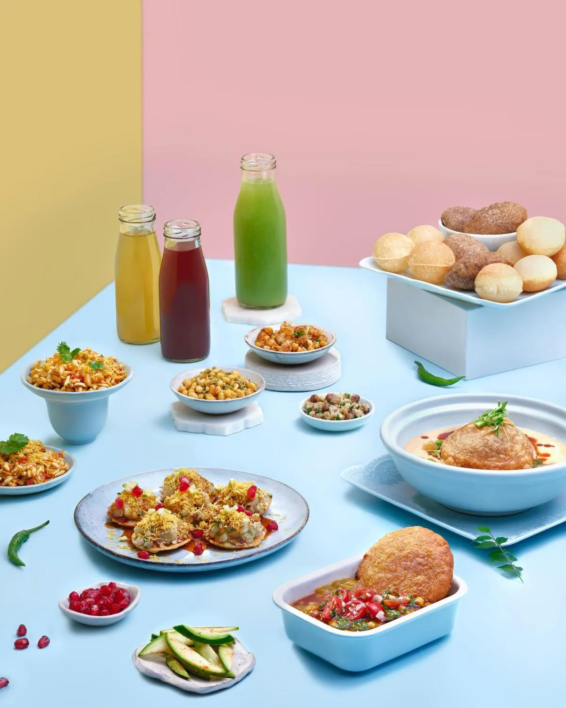
This year has seen significant international interest in chaat. Restaurant owners Kainaz Contractor and Rahul Dua’s Bhawan are a tribute to India’s vibrant street food scene and are located closer to home in the capital. A juice bar, halwai, and chaat shop setup, and pictures of street food sellers the couple encountered while traveling can be found in the fun room. Coriander, raw mango, and pomegranate are the three “paani” flavors of golgappas that are offered. There are several dishes to choose from, like thayir vadai with tempered curd, appam eggs Benedict, laal maas sule, and prawn papads.
Tsas, Ladakh
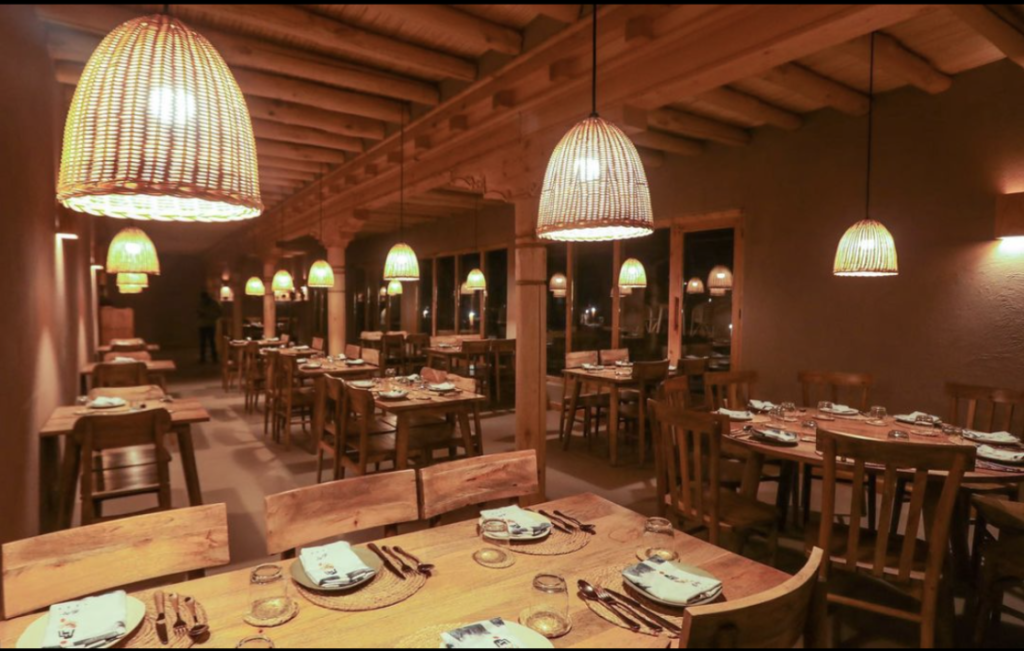
The picturesque landscapes and clear blue lakes of Ladakh are well-known. But little is known about its food source. Ladakh’s cuisine is distinctive because of its topography. The Ladakhi diet is high in meat, dairy, and carbohydrates and contains numerous items that you may not be familiar with. These traditional ingredients and methods are used at Tsas by boutique hotel The Dolkhar to prepare meals that are recognizable to visitors. The menu offers dishes like carrot steaks with smoked juniper, a plant revered in Ladakh, tapu (dumplings) prepared with locally obtained walnuts, barley risotto, radish carpaccio, and smoothies with seabuckthorn pulp, all of which are presented so exquisitely that you might mistake them for excellent meals from a five-star hotel.
Makutsu, Goa
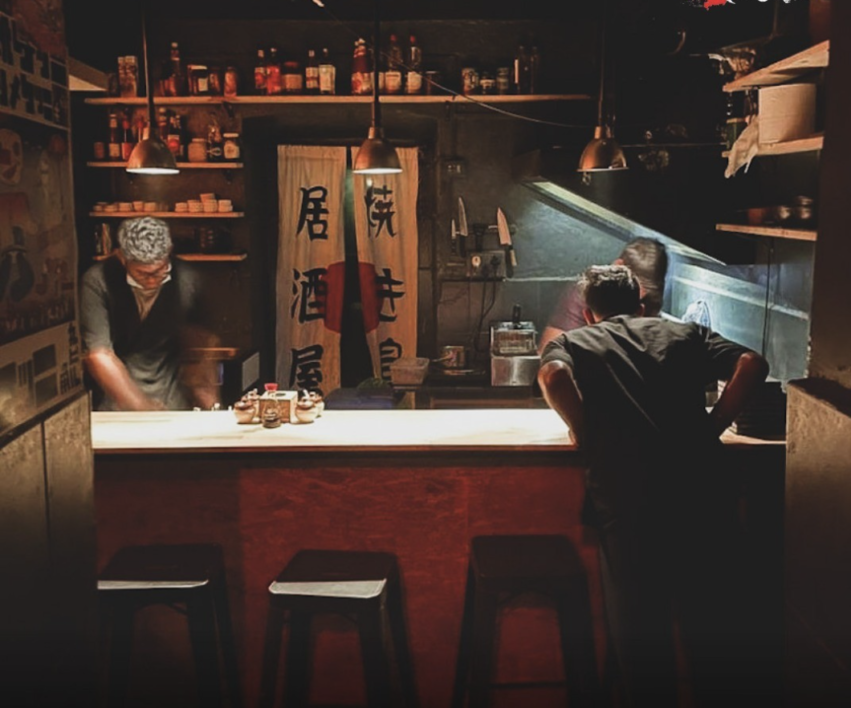
Goa has seen a lot of new openings this year, making it difficult to keep up, but Makutsu stands out among the sea of bustling eateries in the state. After Antonio@31, this is the second restaurant owned by chef Pablo Luis de Miranda. His second establishment, which has Japanese yakitori and a gloomy, edgy atmosphere, completely contrasts with the first, which is a lively, cheerful cocktail bar. 27 skewers of meat and vegetables are available at Makutsu, ranging from broccoli and okra to beef tongue and chicken wings. The only yakitori-only restaurant in Goa, despite the fact that there are other Japanese and pan-Asian eateries there, is Makutsu. This is a brave move in a state where many people equate fish and cocktails with dining.
Hosa, Goa
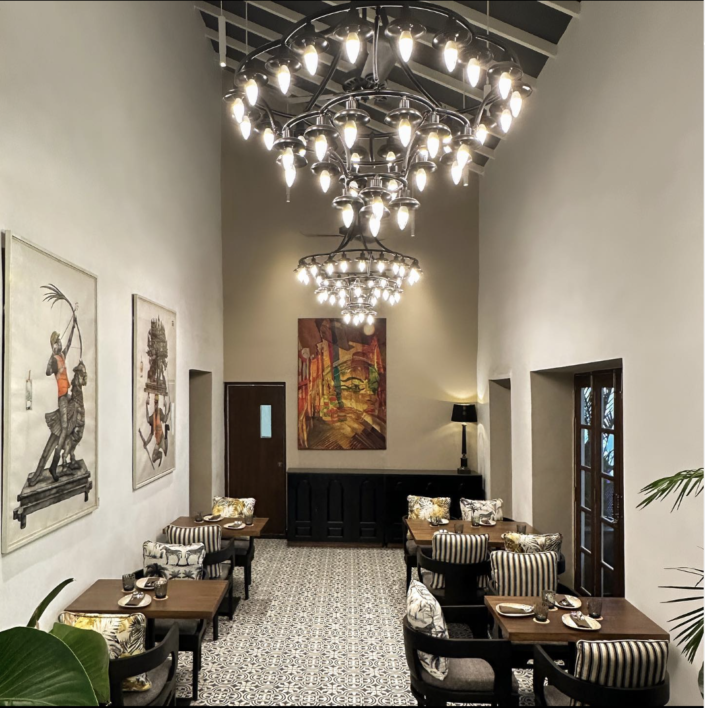
Idli, vada, dosa, and sambar are a few of South Indian cuisine’s iconic dishes that have long served as their defining characteristics. Hosa differs from the rest by serving 38 meals from five South Indian states: Kerala, Tamil Nadu, Karnataka, Andhra Pradesh, and Telangana. The eatery was started by Rohit Khattar (of Indian Accent), and chef Suresh DC, formerly of Bangkok’s coastal Indian restaurant Jhol, is in charge. Almond 65, fish cured in curry leaf, and Mysore Pak coffee cake is just a few of the dishes that pay homage to the local cuisines without the fine-dining frills.
Noon, Mumbai
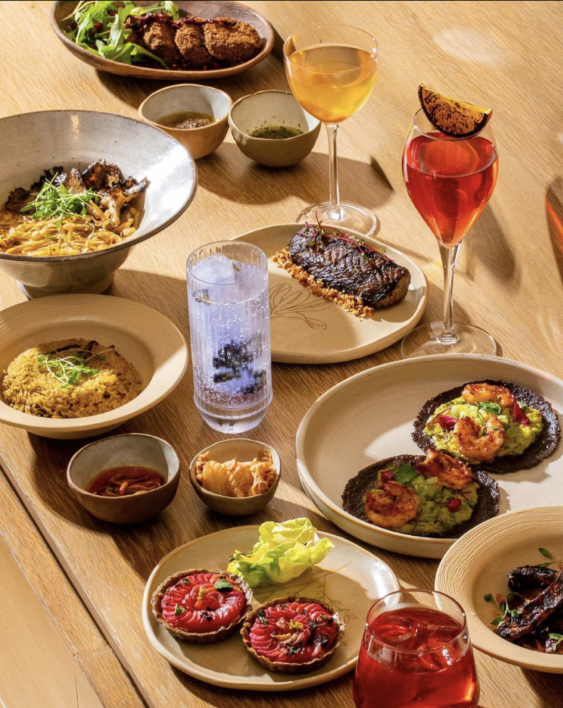
A healthy eater’s worst enemy is noon. With the menu at Noon, chef Vanika Choudhary of Sequel fame delves deeply into her Kashmiri background. The numerous sun-dried, fermented, slow-cooked, and hand-ground bits and pieces in several meals demonstrate this. The tiger prawns are coated with a chutney of kaffir lime and lemongrass made in a silbatta, while the buckwheat tartlets are created using stone-ground grains. A black carrot kanji, a saffron kehwa with gin, tonic, kahwa, and threads of saffron from Kishtwar, and even a cocktail with kale are among the beverages. With a lot of love and care, natural ingredients and wellness are seamlessly incorporated throughout the menu.
Koishii, Mumbai
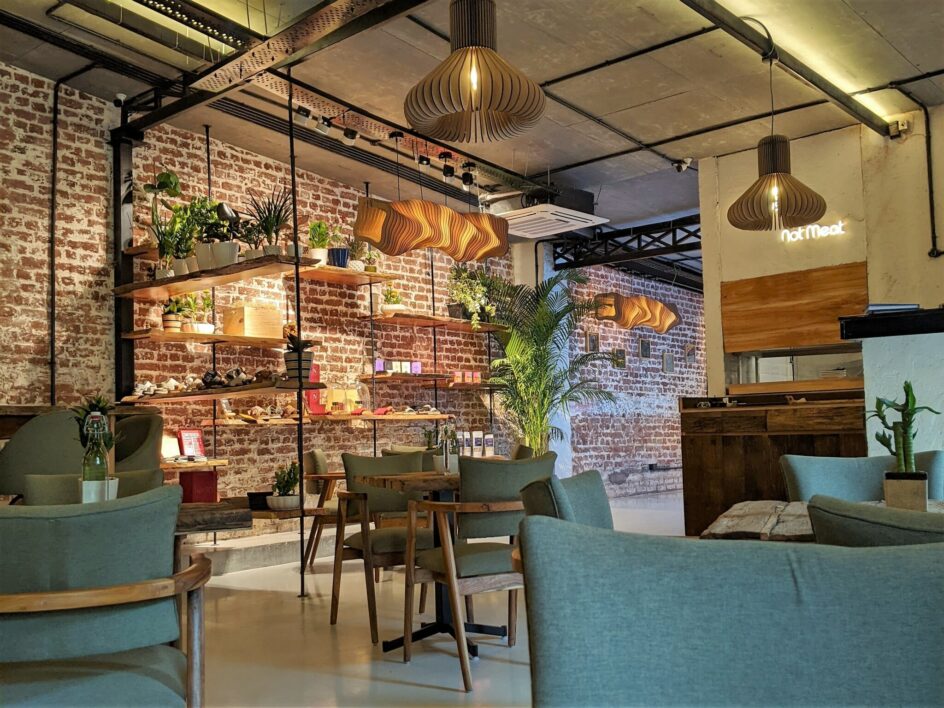
Koishii introduces Nikkei flavors to Mumbai in a seductive new setting. It is lush, extravagant, and located on the 37th level of The St. Regis Hotel. Nikkei cuisine, including yellowtail tiradito, watermelon carpaccio, smoked lamb shanks, and even a vegetarian mango ceviche, is served at the restaurant under the direction of Peruvian chef Kinyo Rodas Tristan. The extensive bar selection also includes Peruvian piscos, umeshu, shochu, and Japanese whisky.
Pandan Club, Chennai
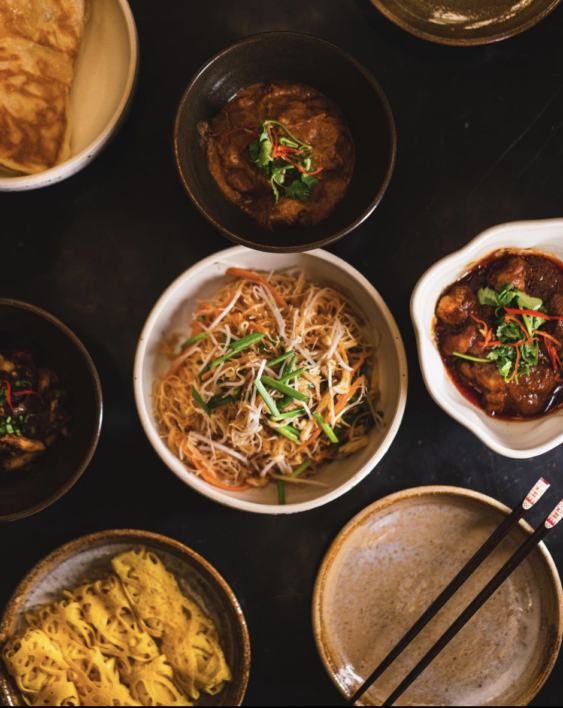
With his Southeast Asian cuisine, Masterchef Australia chef Sashi Cheliah’s newest eatery in Chennai specializes in Peranakan cuisine, which combines South Indian, Chinese, Malay, and Javanese culinary influences. In addition to enhancing Chennai’s diverse selection of fine-dining establishments, Pandan Club showcases the long-standing ties between Tamil and Southeast Asian cuisines. To discover, all you have to do is taste the delicate roti jala, nasi goreng kampung, or black nut lamb curry.
Naru Ramen Bar, Bengaluru
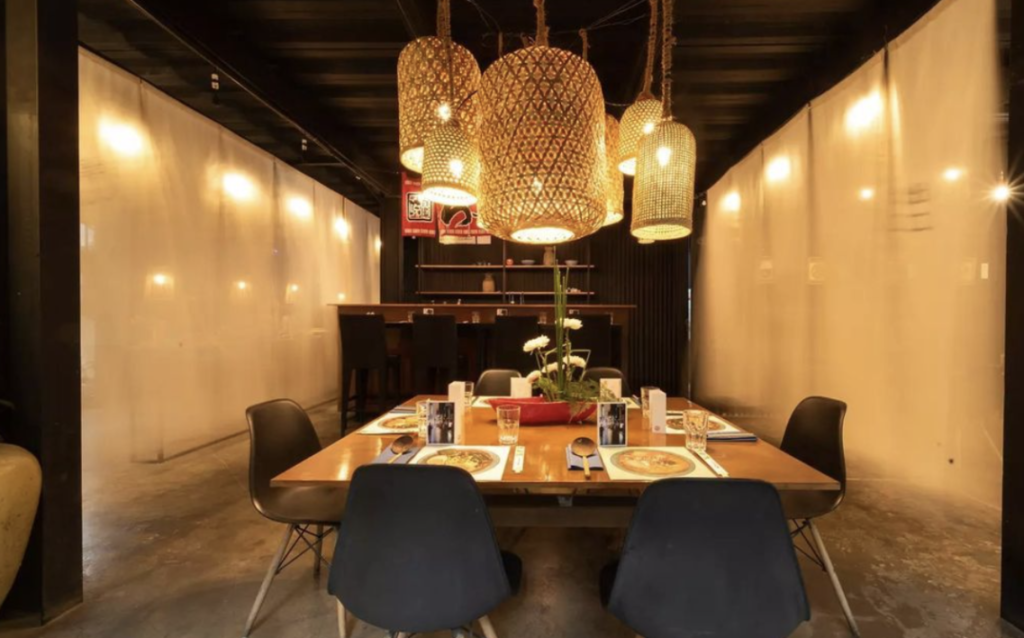
Thanks to the steadily expanding interest in Korean and Japanese culture (including cinema, music, and more), ramen has slowly but definitely acquired a place in many hearts closer to home. The combination of flavors and textures in a bowl—steaming hot flavorful broth, crunchy vegetables, tender meat, crispy dumplings, and condiments that lend a kick—may be what appeals to Indian palates. The number of ramen restaurants in big Indian cities like Mumbai and Bengaluru has increased recently, but finding a nice bowl is like locating a needle in a haystack. The eight-seater area at The Courtyard in Shantinagar, where Chef Kavan Kutappa’s Naru Ramen Bar is located, is small enough to be missed, but once you do, it is anything but forgettable. During the lockdown, Kuttappa, who formerly oversaw the kitchen at Toit Brewpub and The Permit Room, launched the business by offering DIY ramen kits all throughout the city. Six different kinds of ramen, appetizers, and sake make up the solely limited menu at his ramen bar right now. It may be more difficult than you anticipate to get a table for yourself. The scorching hot bowl, however, will make all the effort worthwhile because wonderful things need effort.
Credit By https://bestrestaurantfood.com/
