

Introduction
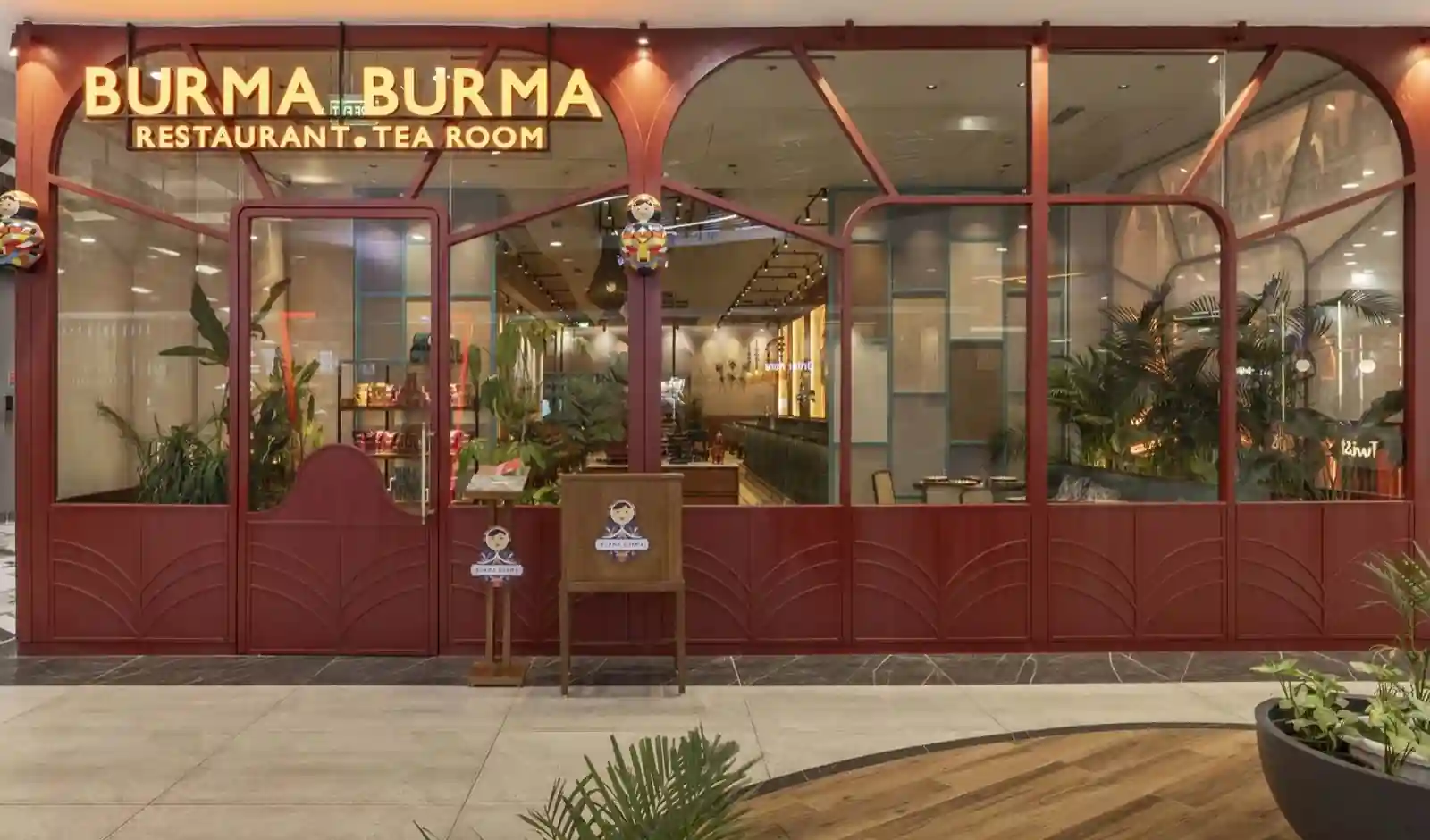
The Indian restaurant industry is witnessing a shift – from mass-market dining to experience-driven, niche cuisine brands. One name that perfectly captures this evolution is burma burma, a premium vegetarian restaurant chain that has carved a unique identity in a crowded food landscape.
In a significant development, company’s funding has made headlines after the company raised over ₹38 crore, pushing its valuation to ₹500 crore. This milestone is not just about capital infusion – it signals investor confidence in differentiated dining concepts and the growing appetite for global cuisines in India.
This article explores the journey, business model, growth strategy, and what the future holds for the restaurant.
Burma Burma Funding: Key Highlights
The latest funding round saw participation from existing investor Negen Capital along with new investors Endurance Capital and Coheron Wealth.
- Total funding raised: ₹38 crore
- Current valuation: ₹500 crore
- Previous valuation: ₹150 crore (3 years ago)
- Growth trajectory: Over 3x increase in valuation
This rapid rise reflects strong fundamentals and consistent execution. The fresh capital will primarily be used to:
- Expand into new cities
- Strengthen presence in existing markets
- Enhance customer experience and operational efficiency
As per company statements, the goal is calibrated expansion without compromising quality – a critical factor in the premium dining segment.
The Burma Burma Story: From Niche Idea to Scalable Brand
Founded in 2012 by Chirag Chhajer and Ankit Gupta, Indian consumers were introduced to Burmese cuisine – something largely unexplored at the time.
Unlike typical Asian restaurants that mix cuisines, its menu focuses exclusively on Burmese flavors. This single-cuisine specialisation has become its biggest differentiator.
Today, the brand operates:
- 21 outlets across India
- Presence in cities like Delhi NCR, Mumbai, Bengaluru, Hyderabad, Kolkata, Ahmedabad, and Chandigarh
What started as an experimental concept has now become a category leader in Burmese dining.
What Makes Burma Burma Unique?
1. Pure Vegetarian & Alcohol-Free Concept
One of the most distinctive aspects of this restaurant is its fully vegetarian, alcohol-free positioning.
In a country where vegetarian dining is widely accepted, this strategy has helped the brand tap into:
- Family audiences
- Health-conscious consumers
- Cultural and religious diners
This positioning also gives it a clear brand identity, unlike generic multi-cuisine restaurants.
2. Cuisine-Led Branding
Instead of expanding menus to attract mass audiences, burma burma cuisine remains tightly focused.
Signature offerings include:
- Khao Suey
- Burmese curries
- Tea leaf salads
- Unique desserts inspired by Myanmar
This menu exclusivity builds customer loyalty, as noted by investors – if you crave a Burma Burma dish, there’s no substitute.
3. Strong Unit Economics
A major reason behind the successful valuation jump is its financial performance:
- Annual recurring revenue: ₹200+ crore
- Growth rate: ~50% CAGR over 3 years
- Outlet-level profitability: 21%+
- EBITDA margins: ~8%
These numbers highlight a rare combination of growth and profitability in the restaurant industry.
Why Investors Are Betting Big on Burma Burma
The success of burma burma funding is not accidental. It reflects broader trends shaping India’s food industry.
1. Rising Demand for Premium Dining
Urban consumers are increasingly looking for:
- Unique cuisines
- Instagram-worthy dining experiences
- High-quality ingredients
This trend aligns perfectly with premium casual dining in India.
2. Shift Toward Experience-Led Brands
Restaurants today are not just about food—they are about storytelling and ambiance. The brand story resonates because it offers:
- Cultural immersion
- Authentic flavors
- Consistent experience across outlets
3. Limited Competition
Burmese cuisine is still underrepresented in India. This gives burma burma business model a first-mover advantage.
Unlike pizza or Chinese food, where competition is intense, Burma Burma operates in a relatively uncrowded category.
Expansion Strategy: What’s Next?
With fresh funding in place, company’s expansion plans are focused on both scale and sustainability.
Key priorities include:
1. Entering New Cities
The brand is likely to expand into Tier-1 and select Tier-2 cities where premium dining demand is rising.
2. Strengthening Existing Markets
Increasing outlet density in metro cities to maximize brand recall.
3. Maintaining Quality Control
Avoiding over-expansion – a common pitfall in the restaurant industry.
The company has emphasised “calibrated growth”, ensuring consistency remains intact.
Challenges Ahead
Despite its success, restaurant growth is not without risks.
1. Scalability vs. Consistency
Maintaining food quality across multiple cities is a major challenge for any restaurant chain.
2. High Operating Costs
Premium dining involves:
- Expensive real estate
- Skilled chefs
- High-quality ingredients
3. Competition from Global Cuisines
While Burmese cuisine is unique, consumers still have access to:
- Japanese
- Korean
- Thai
- Italian
The brand must continuously innovate to stay relevant.
Can Burma Burma Become the Next IPO Story?
One of the most interesting discussions around burma burma future is its IPO potential.
Investor Neil Bahal hinted that the brand’s differentiated positioning makes it an “investor-friendly story” for a potential IPO.
For this to happen, the company would need:
- Strong nationwide presence
- Sustained profitability
- Scalable operations
If executed well, burma burma startup success could join the league of publicly listed food brands in India.
Also read: https://circleofnews.in/alakh-pandey-physics-wallah-billionaire/
What This Means for India’s Restaurant Industry
The success of burma burma funding 2026 reflects a larger shift:
1. Niche is the New Mainstream
Specialized cuisine brands are gaining traction over generic multi-cuisine outlets.
2. Investors Prefer Strong Fundamentals
Profitability and unit economics matter more than rapid expansion.
3. Consumer Tastes Are Evolving
Indian diners are becoming more experimental and globally aware.
Final Thoughts
The rise of Burma Burma is a powerful example of how focus, differentiation, and execution can create a winning brand in a competitive industry.
From a niche Burmese restaurant to a ₹500 crore company, its journey highlights:
- The importance of a clear brand identity
- The value of consistent customer experience
- The growing demand for premium dining in India
As the company enters its next phase of growth, all eyes will be on how it scales while preserving what made it successful in the first place.
If it succeeds, burma burma growth story could very well become a blueprint for the next generation of restaurant startups.
