

Chinese electric vehicle maker BYD has introduced a new generation of its Blade Battery as it seeks to regain momentum in a highly competitive domestic market. The announcement comes after the company faced declining sales in recent months.
The company revealed the second-generation Blade Battery during a three-hour live-streamed event in Shenzhen on Thursday. According to BYD chairman Wang Chuanfu, the upgraded battery can charge rapidly from 20 per cent to 97 per cent in less than 12 minutes. It can also operate in extreme temperatures as low as- 20 degrees Celsius while delivering a driving range of about 777 kilometres.
New Battery Powers Premium Models
The higher-density batteries are expected to power several premium vehicles from the brand. According to Wang, the technology can push the driving range of models such as the Denza Z9GT and the Yangwang U7 beyond 1,000 kilometres.
BYD also confirmed that the new battery has passed safety tests that exceed China’s latest national standards.
During the launch event, the company introduced more than ten new models equipped with the upgraded Blade Battery across its brands. Prices range from about 155,000 yuan for the Song Ultra EV to nearly 1.3 million yuan for the flagship Yangwang U8L.
Expanding Charging Infrastructure
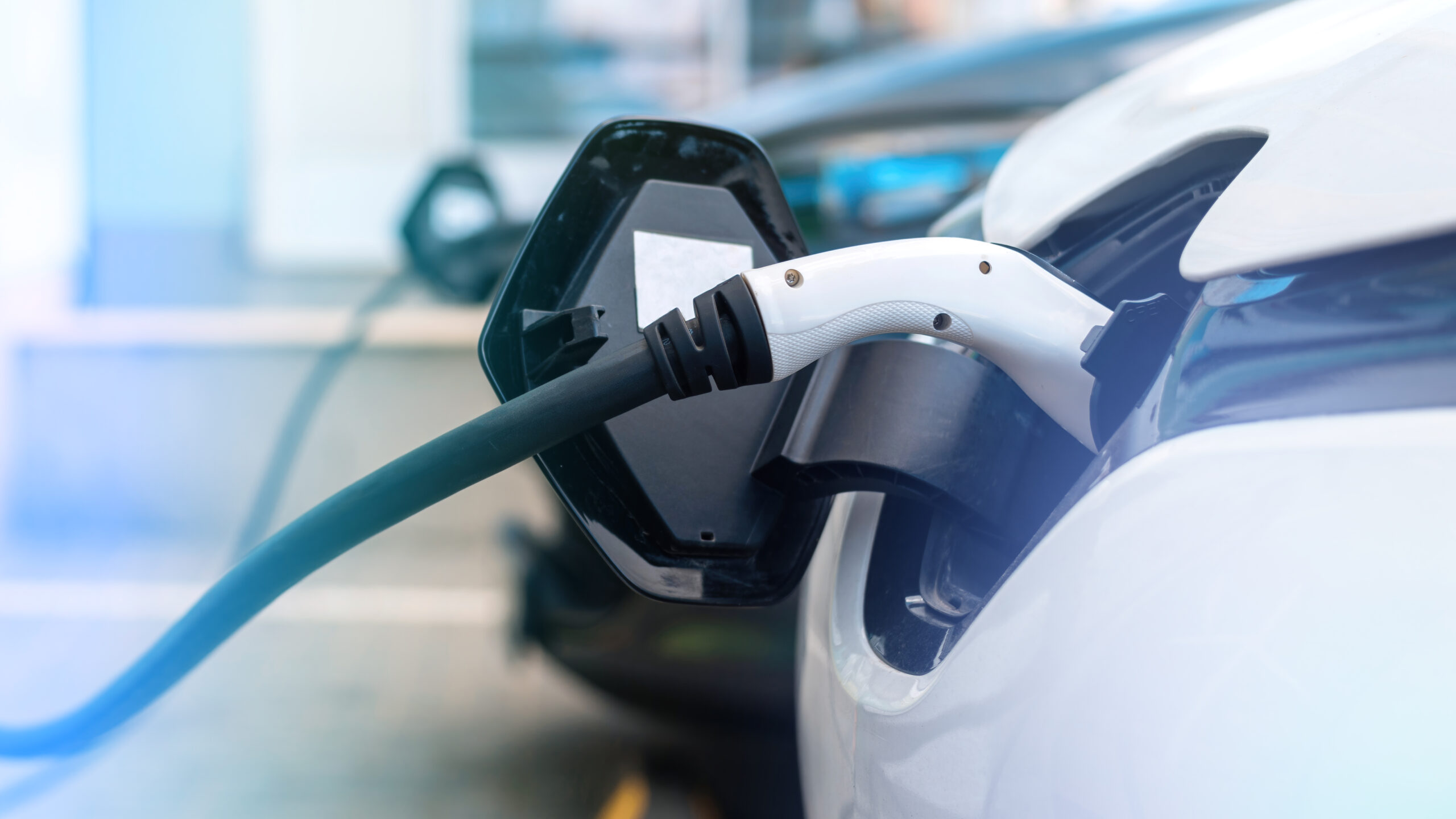
The company also plans to expand its fast charging network. BYD aims to build 20,000 “Flash Charging” stations by the end of 2026, including around 2,000 along highways. As of early March, the company had already built more than 4,000 charging stations.
The strategy aligns with China’s broader push to expand electric vehicle charging infrastructure across the country.
Market Pressures Continue
Despite the technological upgrade, analysts remain cautious about BYD’s sales outlook. Analysts say the company faces a challenging domestic market as many Chinese consumers increasingly prefer more affordable electric vehicles.
BYD’s shares in Hong Kong rose slightly in morning trading, while its Shenzhen-listed shares slipped marginally.
The battery upgrade marks BYD’s first major battery innovation in six years. However, whether it can reverse the company’s recent sales slowdown remains uncertain as competition in China’s electric vehicle market continues to intensify.
