

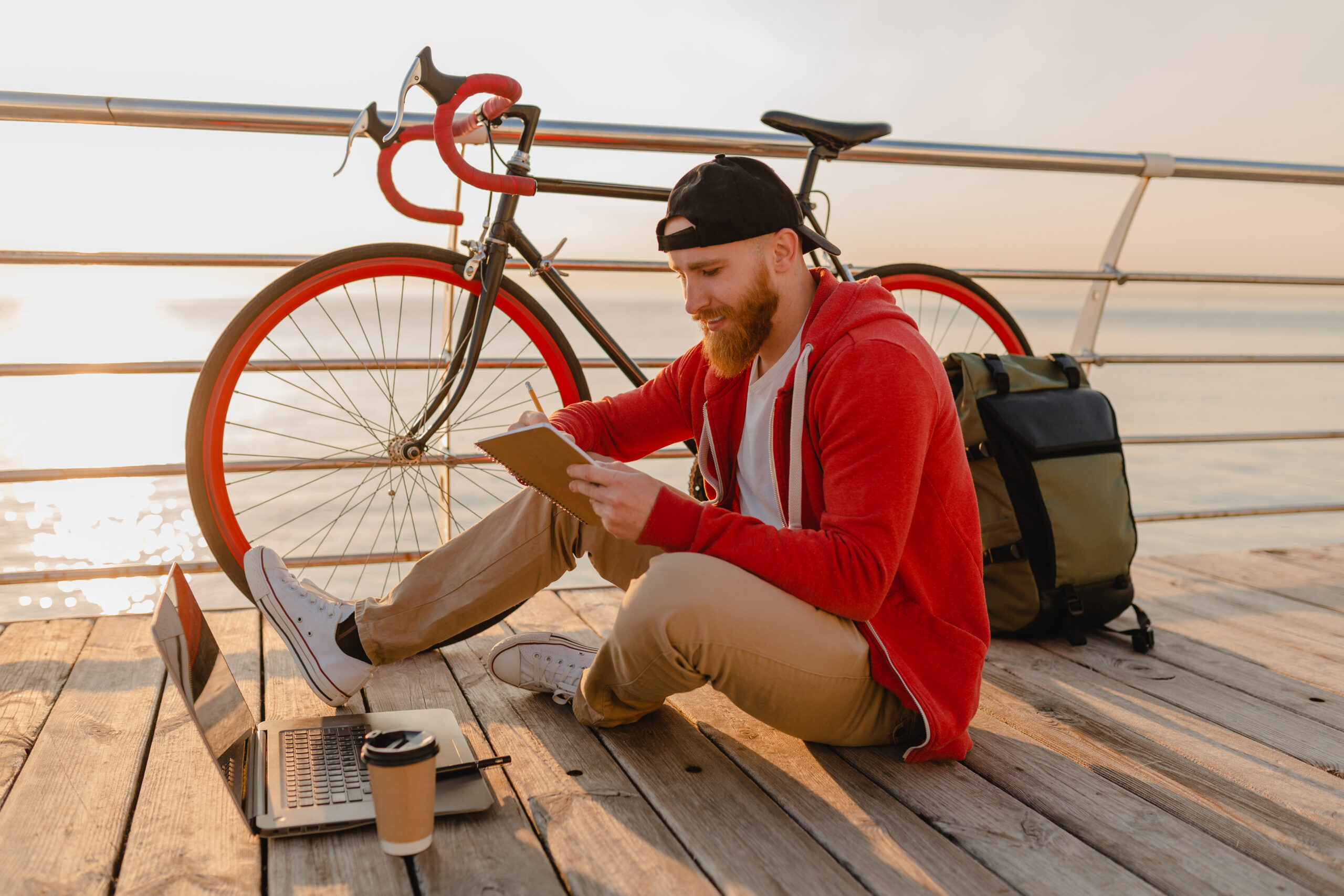
In recent years, the idea of self-care has evolved. People are increasingly looking for ways to relax, recharge and reconnect with themselves. While group activities and social gatherings remain important, many individuals are now discovering the value of spending time alone.
Solo activities are becoming a popular form of self-care. From reading and journaling to solo travel and quiet walks, people are embracing moments of solitude. These activities provide space to think clearly, reduce stress and restore emotional balance.
In a fast-paced and highly connected world, spending time alone is slowly becoming an essential part of personal well-being.
The Need for Personal Space
Modern lifestyles are often busy and demanding. Work responsibilities, social commitments and constant digital communication can leave people feeling overwhelmed.
Solo activities create a pause in this busy routine. They allow individuals to step away from external pressures and focus on their own thoughts and feelings.
Personal space is important for mental clarity. When people spend time alone, they can process experiences, reflect on goals and make decisions without distraction.
This quiet time can be deeply refreshing.
Escaping Digital Overload
Technology has connected people in remarkable ways. However, constant notifications and online interactions can also lead to mental fatigue.
Many people now look for ways to disconnect from digital noise. Solo activities often provide the perfect opportunity to do so.
Reading a book, taking a walk in nature or practising a creative hobby can help reduce screen time. These simple activities encourage mindfulness and allow the brain to rest from continuous digital stimulation.
As a result, individuals often feel calmer and more focused after spending time offline.
Rediscovering Personal Interests
Another reason for the rise of solo self-care is the opportunity to explore personal interests. When people participate in group activities, they often adjust their choices to suit others.
Solo activities remove this limitation. Individuals can choose exactly what they want to do and how they want to do it.
Some people enjoy painting or photography. Others prefer writing, gardening or learning a new skill. These activities provide a sense of accomplishment and creative expression.
Spending time on personal interests also helps people rediscover hobbies that may have been neglected during busy periods of life.
Building Emotional Independence
Solo activities can also strengthen emotional independence. When individuals become comfortable spending time alone, they develop a stronger sense of self.
They learn to rely less on external validation and more on their own judgement. This confidence often improves overall well-being.
People who regularly practise solo self-care may find it easier to manage stress, navigate challenges and maintain emotional balance.
Rather than feeling lonely, they begin to appreciate solitude as a positive experience.
The Rise of Solo Experiences
The popularity of solo self-care has also influenced lifestyle trends. Many industries are responding to this shift.
Cafés now design spaces that welcome individuals who want to read or work quietly. Travel companies offer solo travel packages. Wellness retreats often encourage silent reflection or personal time.
Even entertainment habits are changing. People increasingly enjoy watching films alone, attending workshops individually or exploring museums at their own pace.
These experiences highlight a growing acceptance of solitude in modern culture.
Mental Health Awareness
Greater awareness of mental health has also contributed to the rise of solo self-care. Conversations about stress, burnout and emotional well-being have become more common.
Experts often encourage individuals to develop habits that support mental balance. Solo activities are one of the simplest ways to achieve this.
Activities such as journalling, meditation or creative expression can help people process emotions and reduce anxiety. These quiet moments encourage self-awareness and emotional resilience.
As mental health becomes a priority, more individuals are recognising the benefits of intentional solitude.
Finding Balance Between Social and Personal Time
Although solo activities are gaining popularity, they do not replace social interaction. Human connection remains essential for happiness and well-being.
The key is balance. People need both meaningful relationships and personal time.
Solo self-care allows individuals to recharge their energy. When they return to social interactions, they often feel more present and engaged.
This balance creates healthier relationships and a more sustainable lifestyle.
A Shift in How Self-Care Is Defined
The growing popularity of solo activities reflects a broader change in how self-care is understood. It is no longer limited to occasional spa days or wellness trends.
Self-care is increasingly seen as a daily practice that supports emotional and mental well-being. Quiet walks, personal hobbies and moments of reflection are becoming valuable forms of self-care.
As modern life continues to move quickly, the ability to pause and spend time alone may become even more important.
For many people, solitude is not about isolation. Instead, it is about reconnecting with oneself and finding calm in an increasingly busy world.
