

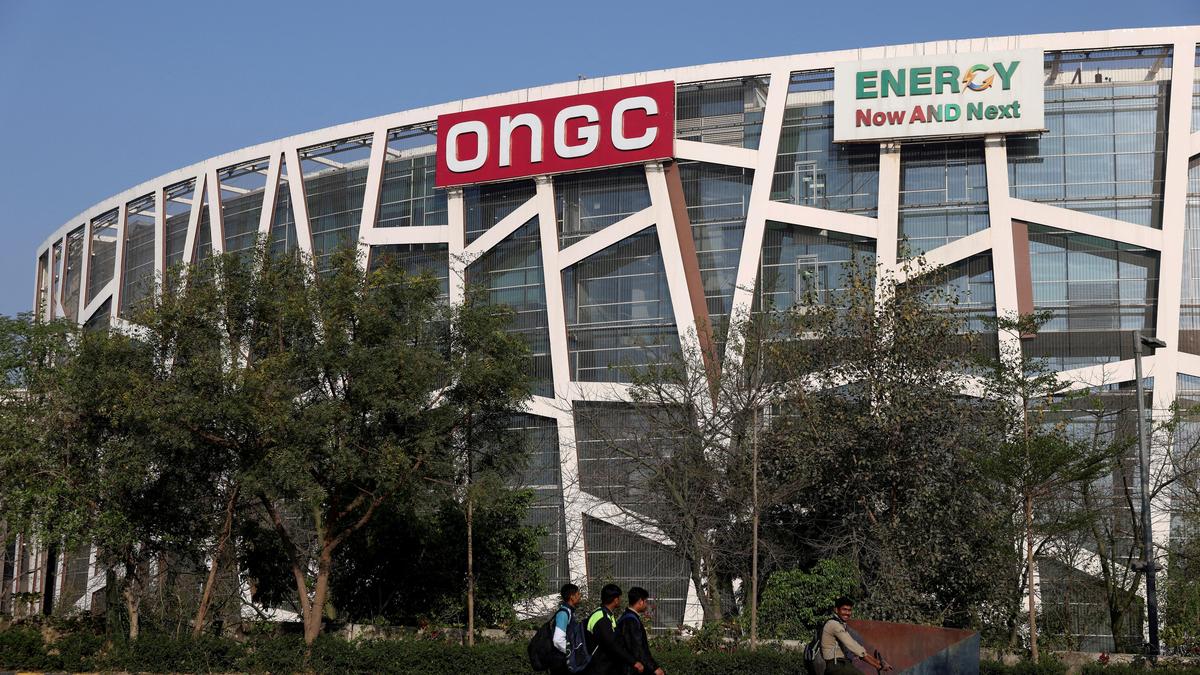
India’s state-owned Oil and Natural Gas Corporation (ONGC) is set to expand its presence in Venezuela after securing a US licence that clears a major hurdle for the company’s operations in the sanctions-hit country. The approval could allow ONGC Videsh to restart fuller activity in its Venezuelan assets and pursue operatorship of two oil blocks.
The development is important not just for ONGC, but also for India’s overseas energy strategy. With Venezuela holding some of the world’s largest oil reserves, greater access to its fields could give Indian energy companies an opportunity to increase production, recover long-pending dues and strengthen their international upstream portfolio.
US licence removes a major hurdle for ONGC
ONGC Videsh Ltd (OVL), the overseas arm of ONGC, has faced restrictions on its Venezuelan operations for years because of US sanctions.
The latest US approval from the Office of Foreign Assets Control (OFAC) provides the regulatory clearance needed for ONGC to resume broader activities in the country. The move follows a wider easing of US restrictions on Venezuela’s oil sector.
The significance of the approval is that ONGC can now look beyond simply maintaining its existing interests. The company is preparing to expand operations and is also looking to assume operatorship of two Venezuelan oil blocks.
That could give the Indian state-run energy major a much larger operational role in Venezuela.
ONGC already has a significant presence in Venezuela
ONGC’s Venezuelan story is not new. Through ONGC Videsh, the company has interests in the country’s oil assets, including the San Cristobal field and the Carabobo-1 project.
OVL holds a 40% stake in the San Cristobal field. It also has an interest in Carabobo-1, alongside other Indian companies including Indian Oil Corporation and Oil India. Venezuela’s state-owned oil company PDVSA remains the majority stakeholder in the projects.
The problem has been that sanctions and restrictions made it extremely difficult for ONGC to fully operate the assets, access equipment and services, and receive the financial returns associated with its investments.
The latest US licence changes that equation.
Why Venezuela matters to India?
Venezuela is home to some of the world’s largest crude oil reserves, particularly in the Orinoco Heavy Oil Belt.
For India, access to Venezuelan crude has historically been strategically important because Indian refiners have the technical ability to process heavier grades of crude.
India was once a major buyer of Venezuelan oil, with imports having reached more than 400,000 barrels per day at peak levels before sanctions and compliance concerns disrupted the trade.
A revival of Venezuelan oil production and international trade could therefore create opportunities for Indian energy companies and refiners.
For ONGC specifically, however, the immediate opportunity is upstream: producing more oil from assets in which it already has an investment.
Also read: Fabletics Enters India With Reliance Brands, Opens First Delhi Store
The operatorship opportunity could be even bigger
One of the most interesting parts of the development is ONGC’s plan to seek operatorship of two oil blocks. Operatorship gives an energy company a greater role in making decisions around exploration, development, production and field management.
Reuters has reported that ONGC is preparing agreements with Venezuela to assume operatorship of two blocks under the country’s revised petroleum law.
That would represent a meaningful change from ONGC’s earlier position in Venezuela.
Instead of simply being an equity partner, the company could potentially have greater control over how these assets are developed and how production is increased.
For a company looking to grow its international oil and gas portfolio, that is strategically significant.
What happened to ONGC’s Venezuelan dividends?
Another major reason the US licence matters is money.
ONGC Videsh has had hundreds of millions of dollars in dividends and other dues tied up in Venezuela because of sanctions and payment restrictions.
Earlier estimates put the amount of unpaid dividends associated with the San Cristobal project at around $600 million, although the exact amount and accounting treatment have varied over time.
For years, OVL explored different ways of recovering the money, including receiving oil against outstanding dividends.
The easing of US restrictions could make it easier for the company to restart production and establish mechanisms through which its financial claims can be addressed.
That makes the latest approval valuable on two fronts: future production and recovery of past dues.
Venezuela’s oil industry is opening up again
ONGC’s move comes as Venezuela’s oil industry undergoes a broader transformation. The US has progressively eased restrictions on certain Venezuelan oil and gas activities during 2026.
OFAC’s current framework includes licences that allow certain oil and gas operations, investment activities, services and transactions involving Venezuelan energy assets, subject to specific conditions.
This has encouraged international energy companies to reconsider Venezuela. For companies that remained invested in the country through the sanctions period, the changing environment could be particularly important.
ONGC is one such company.
It already has geological knowledge, infrastructure experience and established relationships in Venezuela. That could put it in a stronger position than a completely new entrant.
San Cristobal could be a major opportunity
The San Cristobal field is particularly important for ONGC. The field has significant production potential, but output has been constrained by years of limited investment, equipment shortages and sanctions-related restrictions.
Earlier reports suggested that San Cristobal’s production had fallen substantially from its potential. With access to equipment, technology and capital restored, the field could potentially see a gradual increase in production. That makes operatorship and renewed investment particularly relevant.
If ONGC is able to bring in modern equipment and apply its experience from Indian oil fields, the company could potentially improve recovery rates and increase output.
However, such a ramp-up would not happen overnight. Oil-field redevelopment requires investment, technical work, infrastructure and stable operating conditions.
What it means for ONGC?
For ONGC, the Venezuela development fits into a larger effort to increase oil and gas production and strengthen its international portfolio.
The company has been working to arrest production declines from mature domestic assets while developing new fields and expanding its overseas presence. Venezuela offers a different kind of opportunity. Instead of starting from scratch, ONGC already has stakes in producing and development assets.
The US licence could allow the company to unlock more value from investments that have been constrained for years.
It could also give ONGC an opportunity to gain greater operational control at a time when Venezuela is seeking foreign investment and expertise to rebuild its energy sector.
Could Indian oil companies benefit?
ONGC is not the only Indian company with interests in Venezuela. Indian Oil Corporation and Oil India also have stakes in the Carabobo-1 project.
A broader reopening of Venezuela’s oil industry could therefore create opportunities for multiple Indian energy companies.
There could also be downstream benefits. If Venezuelan crude becomes more readily available to international markets, Indian refiners could potentially evaluate additional supplies depending on pricing, quality, logistics and applicable regulations.
For India, greater diversification of crude sources can be strategically useful because the country imports the majority of its crude oil requirements.
The geopolitical angle
The ONGC development also highlights how closely energy and geopolitics are connected.
Venezuela has spent years at the centre of tensions involving the US, sanctions and international oil markets.
As Washington changes its approach to the country’s energy sector, companies that previously had limited room to operate are getting more opportunities.
India’s position is particularly interesting because it has historically maintained commercial relationships with Venezuela while also balancing its ties with the US and other major energy-producing countries.
For ONGC, the latest licence provides a clearer regulatory pathway to pursue its commercial interests.
What happens next?
The US licence is an important milestone, but it is not the end of the process.
ONGC will still need to work with Venezuelan authorities on operating arrangements, investment plans and the proposed operatorship of the two blocks.
The company will also need to assess the economics of increasing production, the condition of existing infrastructure and the investment required to bring the assets back to higher output.
The success of the strategy will ultimately depend on how quickly ONGC can translate regulatory clearance into actual production growth.
A new chapter for ONGC in Venezuela
The latest development marks a significant change in ONGC’s Venezuelan story.
For years, sanctions limited the company’s ability to fully utilise its investments and recover financial returns. Now, with US restrictions being eased and a new licence in place, ONGC has an opportunity to take a more active role.
The potential operatorship of two oil blocks could make the development even more significant.
If ONGC succeeds in increasing production, recovering long-pending dues and expanding its operational role, Venezuela could once again become an important part of India’s overseas energy strategy.
For ONGC, the Venezuela opportunity is no longer simply about getting back into an old investment. It could be about turning a long-constrained asset into a new source of production, revenue and strategic energy security.
