

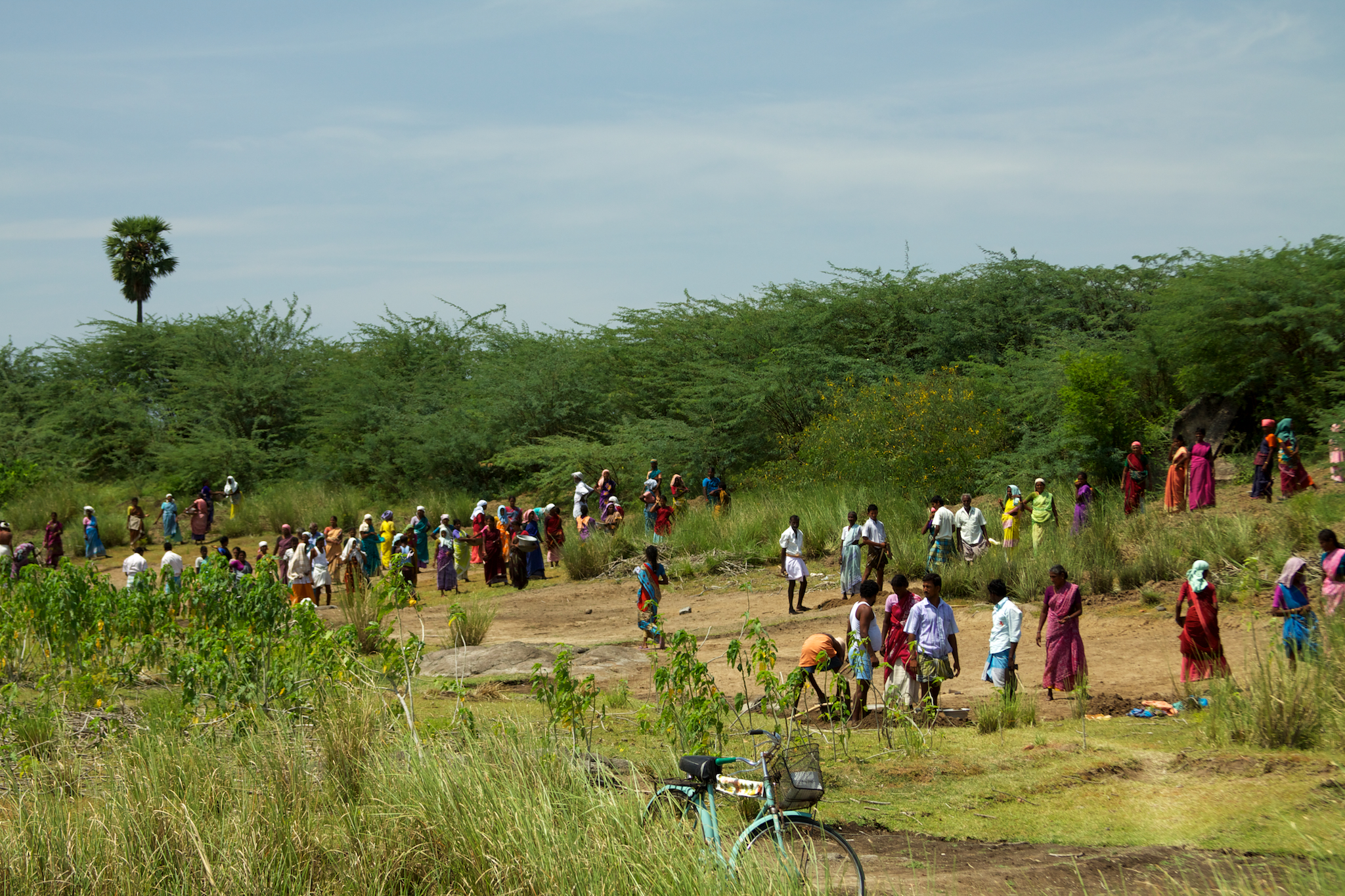
The Ministry of Rural Development has issued new guidelines for Ombudspersons and Appellate Authorities under the Viksit Bharat – Guarantee for Rozgar and Ajeevika Mission (Gramin), or VB-G RAM G Act, 2025, in a move aimed at making the rural employment programme more transparent and accountable.
According to the ministry’s November 18 announcement, the guidelines strengthen institutional mechanisms to safeguard workers’ statutory rights, address implementation-related grievances and promote accountable delivery of programme benefits.
What the Ombudsperson Will Handle
A dedicated Ombudsperson at the district level will address grievances relating to job cards, provision of employment, wage payments, delay compensation, worksite facilities, muster rolls and denial of statutory entitlements.
The guidelines also cover complaints of discrimination, harassment and violations of workers’ rights, including those of women and vulnerable groups, ensuring such concerns receive due attention.
Who Can Become an Ombudsperson
The guidelines expand the pool of eligible candidates to people with experience in rural development, public administration, law, academics, social work and management. Provisions on tenure and remuneration have been revised to support continuity and effective functioning.
Emphasis has been placed on field visits, community engagement and familiarity with digital platforms.
Digital Platform for Complaints
A dedicated digital platform for Ombudspersons will allow online registration and tracking of complaints, recording of proceedings, uploading of awards and monitoring of action taken. Geo-tagged and time-stamped photographs during field visits will further strengthen documentation, traceability and transparency in the grievance redressal process.
Social Audit Role
Ombudspersons will attend at least three Social Audit public hearings or Gram Sabhas every month, providing an opportunity to hear citizens’ concerns directly and facilitate appropriate follow-up. Social audit findings and community feedback, along with individual grievances, will support the identification of discrepancies and corrective action in accordance with prescribed procedures.
What This Means for Rural Workers
For rural workers, the framework creates an accessible district-level avenue to raise complaints about job cards, wages, worksite facilities and entitlements, and to track the action taken on them. The Ombudsperson and Appellate Authority framework complements other accountability measures under VB-G RAM G, including digital monitoring, public disclosure and social audit.
The government said the guidelines are intended to further strengthen citizen-centric governance under VB-G RAM G, ensuring that rural workers have accessible avenues for grievance redressal and that implementation remains transparent, responsive and accountable.
