

I didn’t notice it at first. It wasn’t one big purchase or a shocking bill that made me pause. It was subtle. Almost invisible. The kind of thing you don’t question – until you do.
The moment it clicked for me was at a supermarket aisle. Two razors. Same brand. Same number of blades. Same promise of a “smooth shave.”
One was blue. One was pink.
The pink one? Slightly more expensive.
That’s when I went down a rabbit hole – and discovered something called the pink tax.
So, What Exactly Is the Pink Tax?
Despite how it sounds, it’s not an actual government tax.
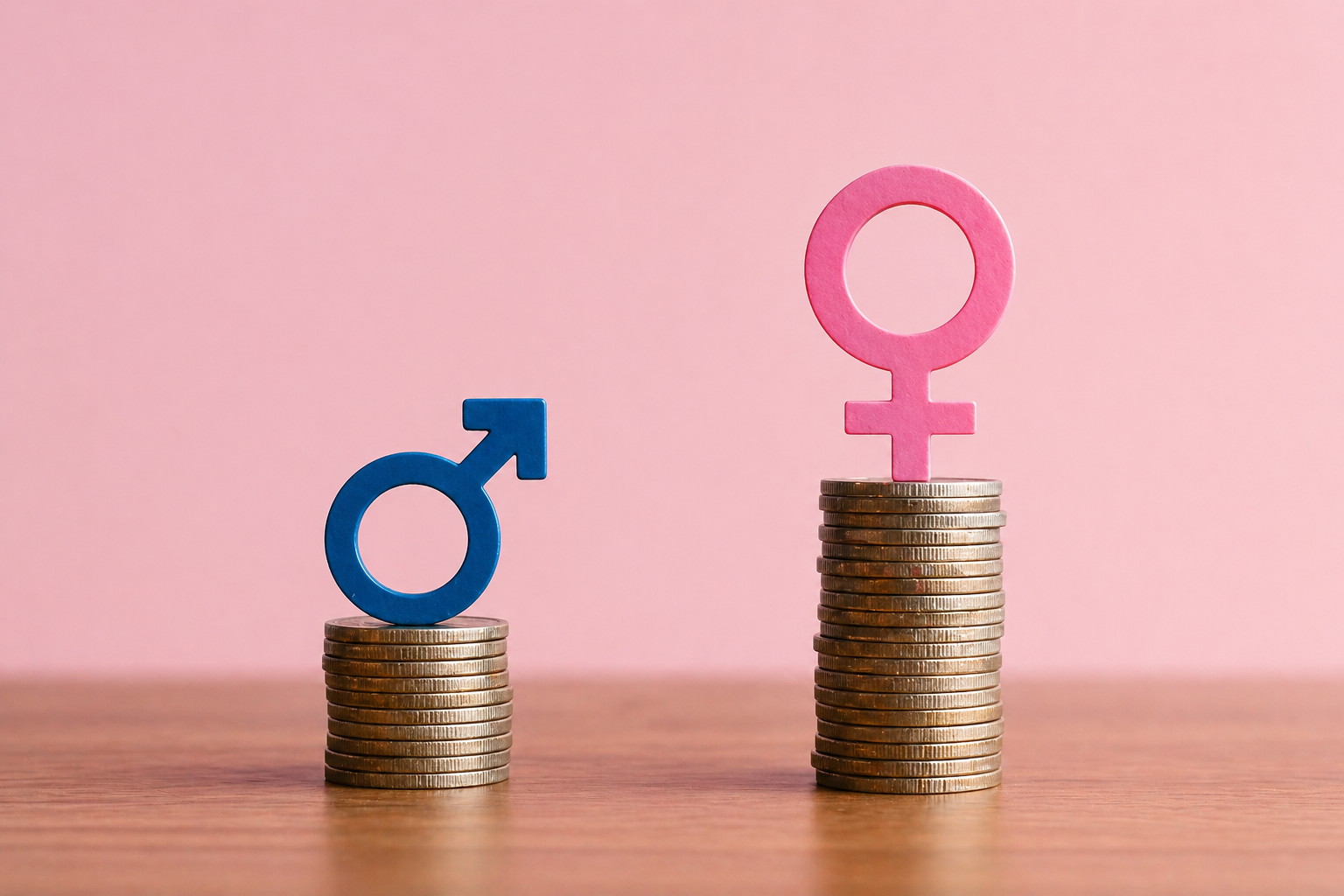
The pink tax is a term used to describe how products and services marketed toward women often cost more than similar ones marketed toward men.
And once you start noticing it… you really can’t unsee it.
The “Wait, Why Is This More Expensive?” Moments
After that razor incident, I began noticing patterns everywhere.
1. Personal Care Products
- Women’s deodorants: ₹500
- Men’s deodorants: ₹200
Same brand. Same quantity. Just different packaging and fragrance names like “Floral Mist” vs “Active Sport.”
2. Haircuts
Walk into any salon and ask for a basic trim.
- Men: ₹150–₹300
- Women: ₹500–₹1500
No styling. No fancy treatment. Just… hair length.
3. Clothing
A plain white T-shirt in the men’s section: ₹499
A similar one in the women’s section: ₹800
Sometimes, the women’s version even uses less fabric.
Also read: https://circleofnews.in/women-in-logistics-industry-india/
When It’s Not Just About Products
The pink tax isn’t limited to things you can hold in your hand. It extends to services and experiences too.
1) Dry Cleaning
I once gave a shirt and a kurta for dry cleaning. The kurta cost more. Why? No clear answer. Just “ladies’ wear.”
2) Gym Memberships
Some gyms offer “ladies packages” – which sound great until you realize they sometimes cost more for similar access.
3) Event Pricing
Remember “Ladies Night”? Free entry for women sounds like a perk – but in many cases, pricing structures elsewhere compensate for it.
The Invisible Premium
What makes the pink tax tricky is that it’s not always obvious. There’s no label that says: “₹50 extra because this is for women.”
Instead, it’s hidden in:
- branding
- packaging
- marketing narratives
Words like gentle, premium, care, sensitive often come with a higher price tag.
“But Women’s Products Are Different, Right?”
That’s what I thought too. And sometimes, yes – there are differences. But often, the variations are minimal or purely cosmetic:
- Same ingredients, different fragrance
- Same product, different color
- Same service, different category
And yet, the price changes.
The Emotional Side of It
What struck me wasn’t just the price difference – it was how normal it felt. We are so used to these differences that we rarely question them. I didn’t question it. My friends didn’t question it. It was just… how things are. Until one day, it wasn’t.
The Bigger Picture in India
In India, the conversation around pink tax is still growing. We have made progress in some areas—like removing the “tampon tax” under GST – but the broader issue still exists.
It shows up in:
- beauty and grooming products
- apparel
- personal services
- lifestyle choices
And because it’s subtle, it often goes unnoticed.
What I Changed After Noticing It
I didn’t suddenly overhaul my entire shopping routine. But I did start making small changes:
- comparing products instead of picking by default
- checking men’s sections for basics
- questioning price differences
Sometimes, I still buy the “pink” version—because I like it.
But now, it’s a choice, not a habit.
Is It Always Intentional?
Not necessarily. Brands often price products based on:
- perceived value
- target audience
- marketing strategy
But when those strategies consistently lead to women paying more, it becomes a pattern worth talking about.
Why This Conversation Matters?
The pink tax isn’t about one product or one bill.
It’s about:
- awareness
- fairness
- informed choices
It’s about asking simple questions like: “Is this actually different… or just marketed differently?”
Final Thought: The Next Time You Shop…
Next time you are at a store or browsing online, try this: Pick up two similar products – one for men, one for women.
Compare them.
You might find:
- a price difference
- a packaging difference
- or sometimes… no difference at all
And that’s when you’ll notice it too.
Not loudly. Not dramatically. Just quietly. Like I did.

1 Comment
Pingback: Nitu Samra Takes Charge as Interim CEO of Noida Airport Amid BCAS Action - Circle of News