

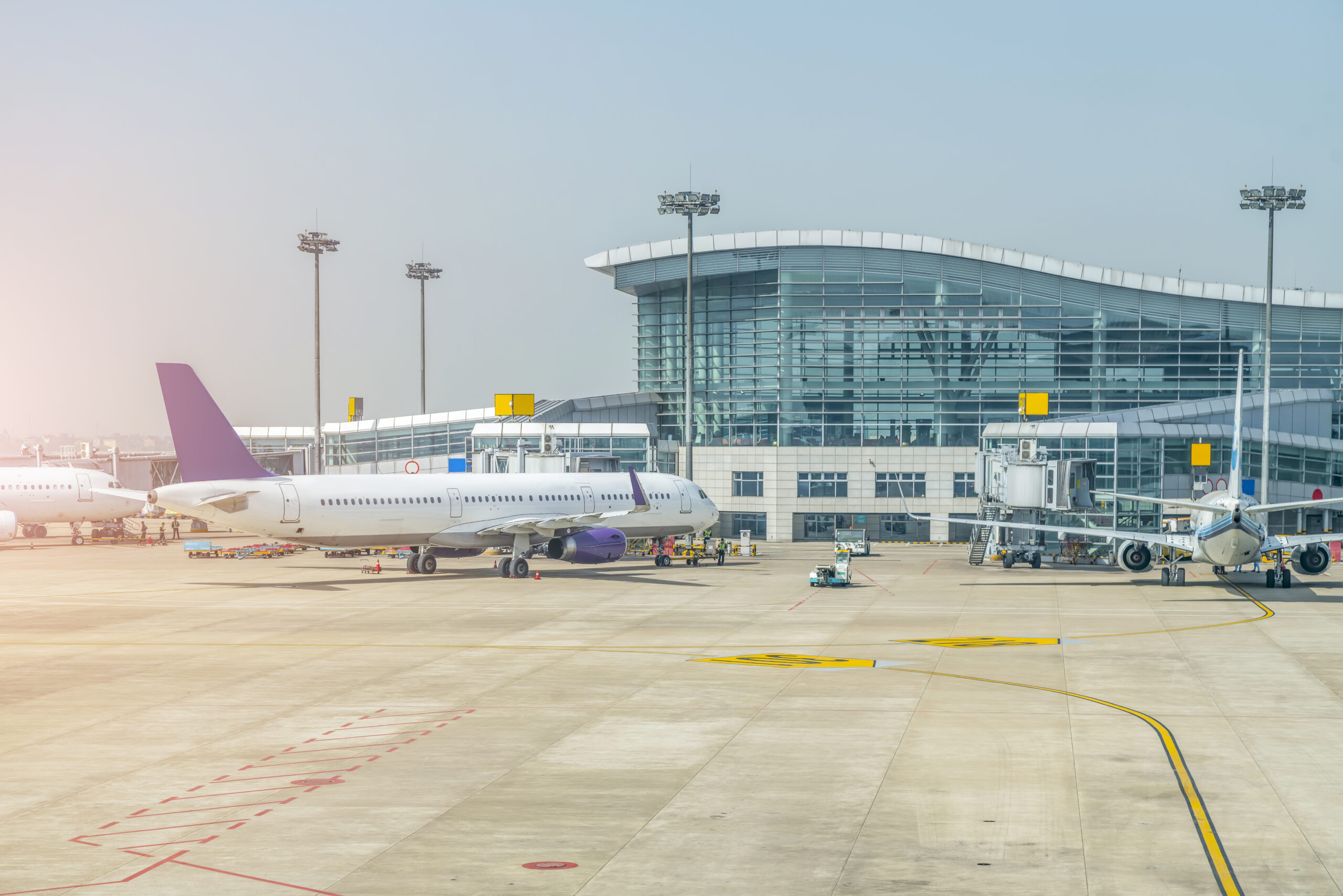
If you have flown recently, you have felt the shift. Airports are fuller, queues are longer, and flights are tighter on schedule. India is travelling more than ever before, and its aviation infrastructure is being pushed to the edge.
But this pressure is triggering one of the most ambitious airport transformations in the world. By 2030, Indian airports are set to become larger, faster, and far more intelligent, designed not just to handle traffic, but to anticipate it.
India’s Aviation Boom is Outpacing its Airports
The surge in air travel is not a future projection, it is already happening.
Rising incomes, affordable fares, and better regional connectivity have turned flying into a mainstream mode of transport. The result is a sharp increase in passenger traffic across both metro and tier two cities.
What is driving this surge?
- A rapidly expanding middle class is choosing air travel over rail
- Government-backed regional connectivity schemes
- Strong recovery and growth in domestic aviation
- Increased business and leisure travel demand
This growth, however, is exposing a gap between demand and infrastructure — and airports are now racing to close it.
The Rise of Mega Terminals: Airports as Experience Zones
India’s new airport terminals are not just bigger, they are fundamentally different.
Think less of them as waiting areas and more as highly organised, tech-enabled environments built for speed and comfort.
What defines a “mega terminal” today?
1. Seamless passenger movement
- Facial recognition replacing manual ID checks
- Automated baggage drop systems
- Faster, tech-enabled security screening
2. Designed for scale
- Capacity to handle tens of millions of passengers annually
- Wider boarding gates and smarter crowd flow design
- Integrated domestic and international operations
3. Experience-led spaces
- Retail zones that resemble premium shopping centres
- Expanded lounges and dining options
- Real-time digital navigation and updates
The upcoming Navi Mumbai International Airport is a strong example of this shift. Built from scratch, it reflects a new philosophy: build for the future, not just upgrade the past.
Runways and Airside Expansion: The Real Game Changer
While terminals are what passengers see, runways are what actually determine efficiency.
Without enough runway capacity, delays are inevitable, no matter how modern the terminal is.
Why runway expansion matters
More runways mean:
- Higher aircraft movement per hour
- Reduced holding time in the air
- Fewer cascading delays across flights
Key upgrades happening across India:
- Addition of parallel runways to increase throughput
- Expansion of taxiways to reduce aircraft waiting time
- Smarter air traffic management systems
Airports like Delhi are already working on optimising runway operations, while new projects such as Navi Mumbai are being designed with high runway capacity from the outset.
Airports Are No Longer Just Infrastructure — They are Businesses
A major reason behind the speed of transformation is the entry of private capital.
Airports today are not just transit points; they are complex commercial ecosystems.
Where do airports make money today?
- Retail and duty-free shopping
- Food and beverage outlets
- Parking and ground transport
- Cargo and logistics services
This shift is influencing how airports are designed.
What this means for passengers:
- More engaging spaces instead of sterile waiting areas
- Better amenities and services
- Longer dwell times that feel less stressful
In simple terms, airports are evolving into mini cities built to move people, but also to serve and retain them.
The Shift to Multi-Airport Cities
India is also rethinking how cities handle air traffic.
The traditional single airport model is no longer sustainable for megacities.
What is changing?
Multi-airport systems are emerging:
- Mumbai: Existing airport + Navi Mumbai
- Delhi: Expansion with future additional capacity plans
Why this matters:
- Distributes passenger load more evenly
- Reduces congestion at primary airports
- Improves connectivity across regions
This model mirrors global aviation hubs and marks a significant shift in India’s infrastructure planning.
Also Read: Indian AI Startup Intellithink Raises ₹17 Crore to Accelerate Industrial AI Solutions
What will Flying in India Look Like by 2030?
The airport experience in India is on track to change completely over the next few years.
A typical journey could look like this:
- Walk in and verify identity through facial recognition
- Drop baggage within seconds at automated counters
- Clear security faster with advanced scanning systems
- Spend time in well-designed, less crowded terminals
- Board on time due to improved runway efficiency
Of course, challenges like execution delays and regulatory hurdles remain. But the direction is clear and the momentum is strong.

1 Comment
Pingback: Top 10 Busiest Airports in India Ranked by Passenger Traffic