

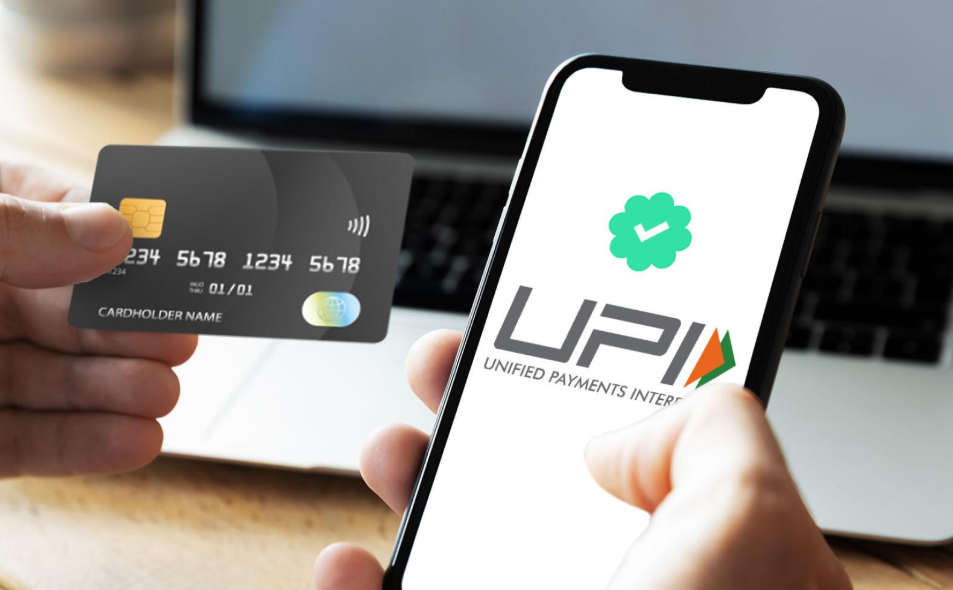
As India rapidly evolves into a digital-first economy, the debate around UPI vs Credit Cards is becoming more relevant than ever. From scanning QR codes at small vendors to tapping cards at premium outlets, consumers today have multiple payment choices. But in 2026, deciding between UPI vs Credit Cards depends on more than just convenience. It is about control, rewards, and smart financial behaviour.
Everyday Convenience vs Structured Spending
When it comes to daily use, UPI vs Credit Cards presents a clear contrast. UPI has become the backbone of everyday transactions in India. Whether it is paying for groceries, booking cabs, or splitting bills, UPI offers instant, seamless payments with zero or minimal cost. Its widespread acceptance, even in small towns, makes it the most accessible option.
Credit cards, however, cater to a different kind of spending. They allow users to make purchases on credit, offering flexibility and better cash flow management. While they may not be accepted everywhere, especially in smaller establishments, they are widely used for online shopping, travel bookings, and high-value transactions.
Rewards, Benefits and Costs
A key differentiator in the UPI vs Credit Cards debate is the rewards ecosystem. Credit cards offer cashback, reward points, travel benefits, and exclusive discounts. For frequent travellers or high spenders, these perks can translate into significant savings and added value.
UPI, on the other hand, is largely focused on convenience rather than rewards. While occasional cashback offers exist, they are not as consistent or substantial as credit card benefits. However, UPI’s biggest advantage lies in its simplicity and zero-cost structure.
That said, credit cards come with potential downsides. High interest rates, late payment fees, and hidden charges can quickly accumulate if dues are not cleared on time. This makes disciplined usage crucial when choosing between UPI vs Credit Cards.
Security and Financial Discipline
Security is another important factor in the UPI vs Credit Cards comparison. Both systems are equipped with strong authentication methods such as PIN verification and fraud detection.
UPI transactions are directly linked to your bank account, meaning money is debited instantly. This encourages better financial discipline, as you can only spend what you already have.
Credit cards, in contrast, allow you to spend now and pay later. While this offers flexibility, it also increases the risk of overspending. On the positive side, credit cards often provide better fraud protection and dispute resolution, making them a safer choice for larger transactions.
Also Read: What happens if you miss a Credit Card Payment?
What Should You Choose in 2026?
Ultimately, the UPI vs Credit Cards decision is not about picking one over the other but using both wisely. UPI is ideal for daily, low-value transactions where speed and ease matter most. It helps maintain control over spending and avoids unnecessary charges.
Credit cards are better suited for planned expenses, online purchases, and situations where you can maximise rewards and benefits. If used responsibly and paid off on time, they can enhance your financial strategy.
As digital payments continue to evolve, the smartest approach in 2026 is to strike a balance. By understanding the strengths of both UPI and credit cards, users can make informed choices that align with their financial goals and lifestyle.
