
Close Menu
Circle of News
    What's Hot

    Tata Electronics, Qualcomm Partner to Manufacture Automotive Modules in India

    February 23, 2026

    India Brazil Trade Target 2030: $30 Billion Goal, Mineral Pacts Signed to Boost Strategic Partnership

    February 22, 2026

    OpenAI CEO Criticises Layoffs, Says Tech Companies Can’t Blame Everything on AI

    February 22, 2026
    Facebook X (Twitter) Instagram
    Circle of News
    • Home
    • News
      Featured

      Tata Electronics, Qualcomm Partner to Manufacture Automotive Modules in India

      By Ritika BerryFebruary 23, 20260
      Recent

      Tata Electronics, Qualcomm Partner to Manufacture Automotive Modules in India

      February 23, 2026

      India Brazil Trade Target 2030: $30 Billion Goal, Mineral Pacts Signed to Boost Strategic Partnership

      February 22, 2026

      OpenAI CEO Criticises Layoffs, Says Tech Companies Can’t Blame Everything on AI

      February 22, 2026
    • Startups
      Featured

      Sahi Trading App Simplifies Stock Market Investing for New-Age Indian Investors

      By CircleofnewsJanuary 27, 20260
      Recent

      Sahi Trading App Simplifies Stock Market Investing for New-Age Indian Investors

      January 27, 2026

      Pee Safe Raises ~₹290 Crore Growth Capital from OrbiMed to Accelerate Consumer HealthcareEalthcare Expansion

      January 15, 2026

      Project Studio AI Secures Fresh Funding to Scale Its AI-Powered Interior Platform

      January 11, 2026
    • Lifestyle

      Sunday Reflection: Reset Your Mind for the Week Ahead

      February 15, 2026

      How to Stay Motivated When You Feel Stuck

      February 15, 2026

      Why Mental Health Is Just as Important as Physical Health

      February 1, 2026

      Vagbhata Wellness Centre Inaugurated at SKD University to Revolutionize Holistic Health & AYUSH Care

      February 1, 2026

      The Bagheera Heritage: A Stress-Free Farm Stay Where Village Life Meets Luxury in Jaipur

      January 23, 2026
    • Knowledge

      SKD University Krishi Mela 2026 Draws Over 3 Lakh Visitors; Shivraj Singh Chouhan Applauds Mega Agri Initiative

      February 22, 2026

      NIELIT & Andhra Pradesh to Launch India’s First Dedicated Quantum & AI University Campus in Amaravati

      February 21, 2026

      Doon Defence Dreamers Sets National Benchmark with 93 Final Selections in NDA 2025

      February 6, 2026

      How Credit Card EMI Calculators Are Helping Consumers Plan Purchases More Effectively

      January 25, 2026

      How “Train the Teacher” Is Using YouTube and Instagram to Strengthen Teacher Training in India

      January 19, 2026
    • Entertainment

      Bvlgari Names Dua Lipa as Global Ambassador

      February 22, 2026

      Best Weekend Plans for Families in India: Ideas to Make Your Saturday & Sunday Meaningful

      February 21, 2026

      Tiigers of Kolkata Owners Aksha Kamboj, Saif Ali Khan and Kareena Kapoor Khan Support Team in Surat as Playoff Spot Is Confirmed

      February 4, 2026

      24th Vasant Utsav Celebrates Rajasthan’s Folk Traditions, Spiritual Music and Literary Heritage at Sai Ka Aangan, Gurugram

      February 3, 2026

      Zoya Afroz Steals the Show in Taskaree: “A Performance That silently steals the show

      January 19, 2026
    Facebook X (Twitter) Instagram
    Circle of News
    Home » Trump’s Tariff Whiplash on India: From 50% Blow to 10% Reset After US Supreme Court Ruling
    Indiatimes

    Trump’s Tariff Whiplash on India: From 50% Blow to 10% Reset After US Supreme Court Ruling

    Vidushi SaxenaBy Vidushi SaxenaFebruary 22, 2026Updated:February 22, 2026No Comments4 Mins Read
    Facebook Twitter Pinterest LinkedIn Tumblr Email
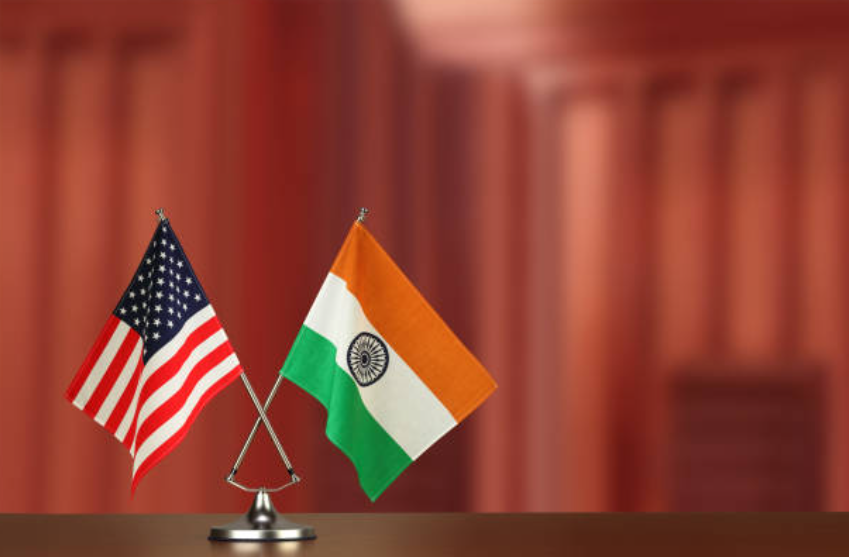
    Trump’s 10% tariff move
    Trump’s 10% tariff move
    Share
    Facebook Twitter LinkedIn Pinterest Email

    Under the leadership of Donald Trump, tariffs on Indian goods moved from 26% to a staggering 50%, before being brought down to a flat 10% following a landmark ruling by the Supreme Court of the United States.

    The dramatic swings were not merely policy tweaks. They disrupted export contracts, rattled markets, and altered trade calculations for thousands of Indian businesses that relied on the US market.

    The First Jolt: 26% Tariff Announcement

    The turbulence began on April 2, 2025, when the Trump administration imposed a 26% tariff on imports from India.

    What made up the 26%?

    • 10% baseline duty
    • 16% reciprocal tariff

    Washington described the move as a corrective measure against what it viewed as trade imbalances and unfair market practices. For Indian exporters, it felt like a sudden tax on competitiveness.

    Engineering goods, textiles, auto components, and specialty chemicals were among the sectors closely watching the development. Contracts had to be renegotiated. Margins were squeezed almost overnight.

    Just days later, on April 9, the US suspended the 16% reciprocal component, bringing the effective rate back to 10%. The rollback signalled room for negotiation but did little to restore long-term confidence.

    Escalation: How Tariff Reached 50%

    If April was unsettling, July and August were bruising.

    On July 31, 2025, a fresh 25% tariff was imposed. The situation escalated further in August when an additional 25% penalty was introduced, linked to India’s continued purchase of Russian oil.

    The build-up to 50%

    • 25% tariff announced in late July
    • Additional 25% penalty in August
    • Effective burden touched 50% on several product categories

    A 50% tariff is not a marginal increase. It is a near barrier.

    Exporters reported delayed shipments and price renegotiations. Some US buyers began exploring alternative sourcing destinations. Industry associations warned that prolonged continuation could result in structural loss of market share.

    The penalties also had geopolitical undertones. While India maintained that its energy purchases were driven by national interest and economic pragmatism, Washington framed the action as part of a broader strategic posture.

    The Legal Earthquake: Supreme Court Intervention

    The most unexpected twist came in February 2026.

    In a 6 to 3 decision, the Supreme Court of the United States ruled that tariff imposed under emergency powers lacked legal validity. The judgment effectively dismantled the higher duty framework introduced by the Trump administration.

    For India, the ruling meant immediate relief on a significant portion of exports that had been subjected to elevated rates.

    However, the story did not end there.

    Within days, President Trump invoked Section 122 of the Trade Act of 1974 to impose a flat 10% tariff on most global imports, including Indian goods. The new rate came into effect on February 24, 2026.

    Back to 10% Tariff: Relief, But Not Certainty

    The return to a 10% tariff marked a sharp correction from the 50% peak. For exporters, this was a meaningful reprieve.

    What 10% changes

    • Restores price competitiveness in the US market
    • Revives stalled negotiations and pending shipments
    • Reduces immediate pressure on export margins

    Yet the relief is layered with caution.

    The 10% levy rests on a different legal basis and may still face scrutiny. In addition, existing Most Favoured Nation duties could affect the final effective rate for certain goods.

    Trade experts point out that the real issue is no longer the number alone. It is predictability. Businesses can factor in a 10% duty if they know it will remain stable. What they struggle with is volatility that swings from 26% to 50% and then down to 10% within months.

    The Larger Trade Picture

    The tariff episode highlights how deeply global trade is intertwined with politics and legal frameworks.

    For India, three lessons stand out:

    • Overdependence on any single export market increases vulnerability
    • Geopolitical positioning has direct economic consequences
    • Legal institutions can dramatically reshape trade policy outcomes

    Despite recent relief, uncertainty remains. Negotiations between New Delhi and Washington are expected to continue, with both sides exploring a more structured trade framework.

    For now, exporters are recalibrating rather than celebrating. The move from 50% to 10% has eased immediate pressure, but confidence will return only when policy steadiness replaces tariff whiplash.

    In international trade, it is not just the rate that matters. It is the reliability behind it.

    India Tariff Trump US
    Share. Facebook Twitter Pinterest LinkedIn Tumblr Email
    Vidushi Saxena

    Driven by a sharp instinct for what truly makes news, Vidushi Saxena approaches journalism with curiosity, speed and conviction. Deeply passionate about technology and business reporting, she tracks market disruptions, policy turns, startup ecosystems and corporate strategy with a clear sense of what matters and why it matters now. Her strength lies in identifying the story beneath the headline, asking the right questions and delivering context that helps readers stay ahead of the curve.

    Related Posts

    Tata Electronics, Qualcomm Partner to Manufacture Automotive Modules in India

    February 23, 2026

    India Brazil Trade Target 2030: $30 Billion Goal, Mineral Pacts Signed to Boost Strategic Partnership

    February 22, 2026

    OpenAI CEO Criticises Layoffs, Says Tech Companies Can’t Blame Everything on AI

    February 22, 2026
    Leave A Reply Cancel Reply

    Top Posts

    Doon Defence Dreamers Sets National Benchmark with 93 Final Selections in NDA 2025

    February 6, 20262,519 Views

    Mentor at Good Day Defence School-Param Vir Chakra Awardee Captain Yogendra Singh Yadav, Inspires at 77th Republic Day Parade

    January 27, 20262,118 Views

    24th Vasant Utsav Celebrates Rajasthan’s Folk Traditions, Spiritual Music and Literary Heritage at Sai Ka Aangan, Gurugram

    February 3, 20262,116 Views
    Don't Miss
    News

    Tata Electronics, Qualcomm Partner to Manufacture Automotive Modules in India

    By Ritika BerryFebruary 23, 20260

    Qualcomm and Tata Electronics partner to manufacture automotive modules in India, marking a significant milestone…

    India Brazil Trade Target 2030: $30 Billion Goal, Mineral Pacts Signed to Boost Strategic Partnership

    February 22, 2026

    OpenAI CEO Criticises Layoffs, Says Tech Companies Can’t Blame Everything on AI

    February 22, 2026
    Stay In Touch
    • Facebook
    • WhatsApp
    • Instagram
    Trending Posts
    News

    OpenAI India Offices: Company Plans Bengaluru and Mumbai Expansion Amid Growing AI Push

    By Ritika BerryFebruary 22, 20262
    Todays Picks

    AI Summit 2026 Highlights: India Positions Itself at the Centre of the Global AI Revolution

    By Vidushi SaxenaFebruary 20, 20260
    Trending

    Menstrual Health Comes Under Right to Life: Supreme Court Issues Landmark Order

    By Ritika BerryFebruary 1, 20260
    Loading
    Most Popular

    Tata Group and TCS Partner with OpenAI to Build State-of-the-Art AI Infrastructure in India

    February 20, 20261,613 Views

    India Habitat Centre Celebrates Republic Day 2026 with Patriotic Fervour

    January 27, 20261,501 Views

    OpenAI India Offices: Company Plans Bengaluru and Mumbai Expansion Amid Growing AI Push

    February 22, 20261,464 Views
    Latest Posts

    India Brazil Trade Target 2030: $30 Billion Goal, Mineral Pacts Signed to Boost Strategic Partnership

    February 22, 2026

    JioHotstar Partners With OpenAI to Launch ChatGPT-Powered Content Discovery

    February 19, 2026

    SEBI and NSDL Launch Auto-Rickshaw Campaign to Strengthen Investor Verification Across India

    February 15, 2026
    Facebook X (Twitter) Instagram Pinterest
    • Home
    • Contact
    • Privacy Policy
    • Terms & Conditons
    • Cookie Policy
    • GDPR Policy
    © 2026 ThemeSphere. Designed by ThemeSphere.

    Type above and press Enter to search. Press Esc to cancel.