

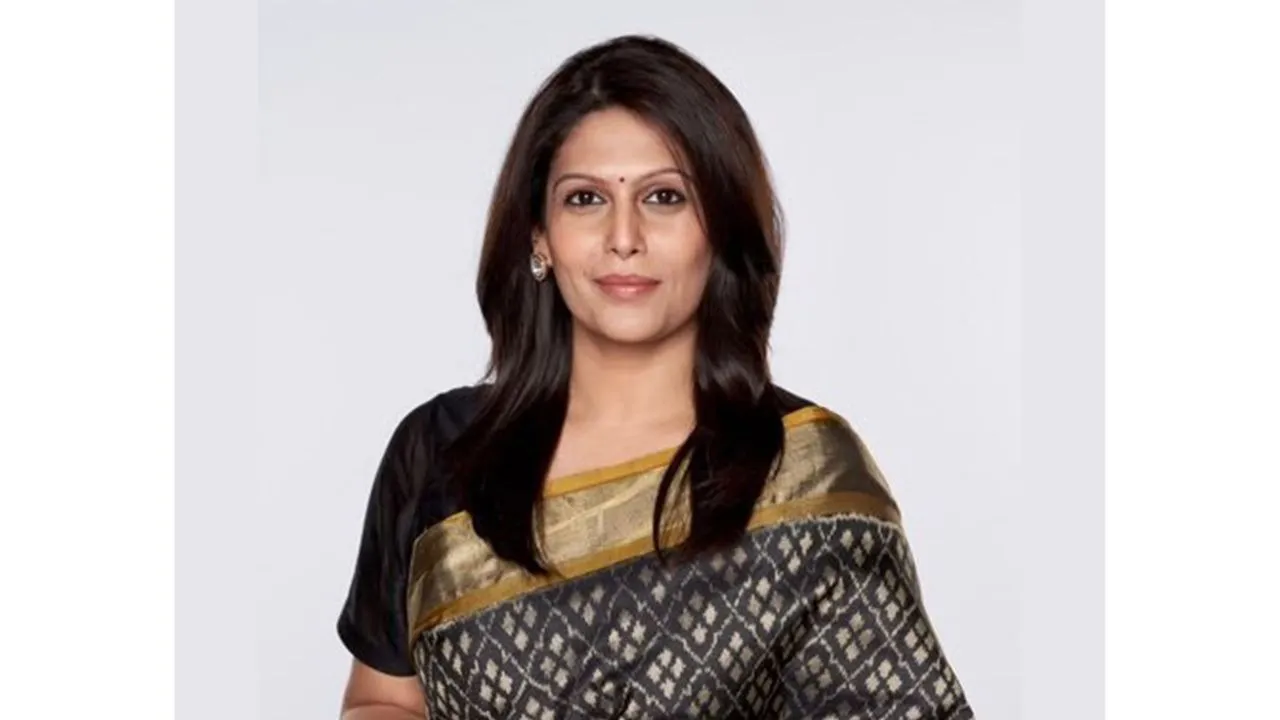
There are very few journalists today whose presence instantly makes you pause and listen.
Not because they are loud.
Not because they are viral.
But because they make news feel intelligent again.
For me, Palki Sharma has always been one of those voices.
So when I read that she is launching a new digital-first media platform called India Global Review, it didn’t feel like just another media startup announcement. It genuinely felt like something important for journalism itself.
And honestly, in a time where news often feels exhausting, performative, and algorithm-driven, this launch feels refreshing.
The Kind of Journalism That Stays With You
One thing I have always admired about Palki Sharma is the way she explains global events. She doesn’t just read headlines.
She connects dots.
Whether it’s geopolitics, diplomacy, economics, or technology, her storytelling style makes complicated issues understandable without making them shallow.
That balance is rare.
A lot of news today falls into two extremes:
- either oversimplified noise
- or inaccessible expert jargon
Palki somehow sits in the middle. And that’s probably why so many young people – including aspiring journalists – look up to her.
Because she represents a version of journalism that still feels thoughtful.
What Is India Global Review?
From what has been announced, India Global Review is being positioned as a digital-first global media platform focused on international affairs, geopolitics, and India’s place in the world.
And honestly, that focus itself says a lot.
Most Indian news platforms still treat global coverage as secondary content. International news is often reduced to:
- quick updates
- agency copy
- surface-level reporting
But audiences have changed.
Today, people want to understand:
- how wars affect economies
- how geopolitics shapes technology
- why global elections matter
- how India fits into larger international conversations
That curiosity is growing rapidly, especially among younger audiences.
And I think Palki Sharma recognized that shift very early.
Why This Launch Feels Timely?
We are living in a very strange media era.
Information is everywhere.
But clarity is rare.
There’s breaking news every minute, but very little context.
And somewhere in between:
- outrage became content
- speed became more important than accuracy
- and attention became more valuable than insight
That’s why platforms focused on meaningful analysis stand out more today than ever before.
India Global Review feels like an attempt to build exactly that kind of space:
a platform where global conversations are explained, not just reported.
It’s Also About India’s Voice
Another reason this launch feels significant is because it reflects something larger happening globally:
India is becoming impossible to ignore.
Whether it’s:
- geopolitics
- manufacturing
- AI
- defence
- trade
- technology
- diplomacy
…the world is increasingly watching India differently.
But often, global narratives about India are still shaped externally.
What I find interesting about India Global Review is that it appears to aim for something different:
explaining the world from an Indian lens without sounding defensive or sensational.
That distinction matters.
Because there’s a growing space for Indian-led global journalism that is:
- confident
- analytical
- internationally aware
- and rooted in perspective rather than propaganda
The Shift From Television to Digital
This move also says a lot about where journalism itself is heading.
Traditional television news is no longer the center of audience attention, especially for younger viewers.
People now consume news through:
- YouTube
- podcasts
- short-form video
- newsletters
- explainers
- social platforms
The audience still exists. It has simply moved. And journalists who understand storytelling beyond traditional television are adapting faster. That’s why “digital-first” is probably the most important phrase in this announcement.
Because modern journalism is no longer about just broadcasting.
It’s about:
- building communities
- earning trust
- creating explainable content
- and staying relevant across formats
Why So Many Young Journalists Admire Her?
I think what makes Palki Sharma inspiring for many people isn’t just her success.
It’s her clarity.
She speaks with conviction without sounding theatrical.
In a media environment where being aggressive is often mistaken for being impactful, she built a style that relies more on:
- research
- articulation
- composure
- and perspective
That’s incredibly aspirational.
Especially for people who want to enter journalism without becoming part of the constant noise cycle.
Honestly, when I think about the kind of media professional I’d want to become one day, it’s someone who can explain the world the way she does: calmly, intelligently, and with depth.
The Bigger Challenge Ahead
Of course, building a new media platform today is not easy. The digital media landscape is brutally competitive.
Platforms face pressure from:
- algorithms
- monetization models
- audience retention
- misinformation ecosystems
- shrinking attention spans
And global journalism itself has become deeply polarized. So the challenge for India Global Review won’t just be attracting viewers. It will be sustaining thoughtful journalism in an ecosystem that often rewards speed over substance.
But maybe that’s exactly why this launch matters. Because audiences are slowly becoming exhausted by performative news.
And perhaps there is space again for journalism that respects intelligence.
What Could Make India Global Review Different?
If the platform succeeds, I think it will be because of one thing: trust.
Not flashy production.
Not outrage.
Not clickbait.
Just trust.
The trust that:
- stories will have context
- information will be researched
- global events will be explained thoughtfully
- and viewers will be treated intelligently
That’s increasingly rare online.
And rare things usually stand out.
Journalism Is Changing – And So Are Audiences
I also think this launch reflects how audiences themselves are evolving. People no longer want only “what happened.”
They want:
- why it happened
- what it changes
- how it affects them
- and what happens next
That’s a very different kind of storytelling challenge. And it’s one that journalists like Palki Sharma seem particularly well-suited for.
Final Thoughts
At one level, India Global Review is simply a new digital media venture.
But at another level, it feels symbolic of something much bigger: a transition in how journalism is being rebuilt for the modern internet era.
Personally, I’m excited about it not just because I admire Palki Sharma, but because I genuinely miss thoughtful news.
The kind that informs you without exhausting you. The kind that explains instead of shouting. And maybe that’s why this launch feels hopeful.
Because in an age of endless information, clarity has become one of the most valuable things a journalist can offer.
