

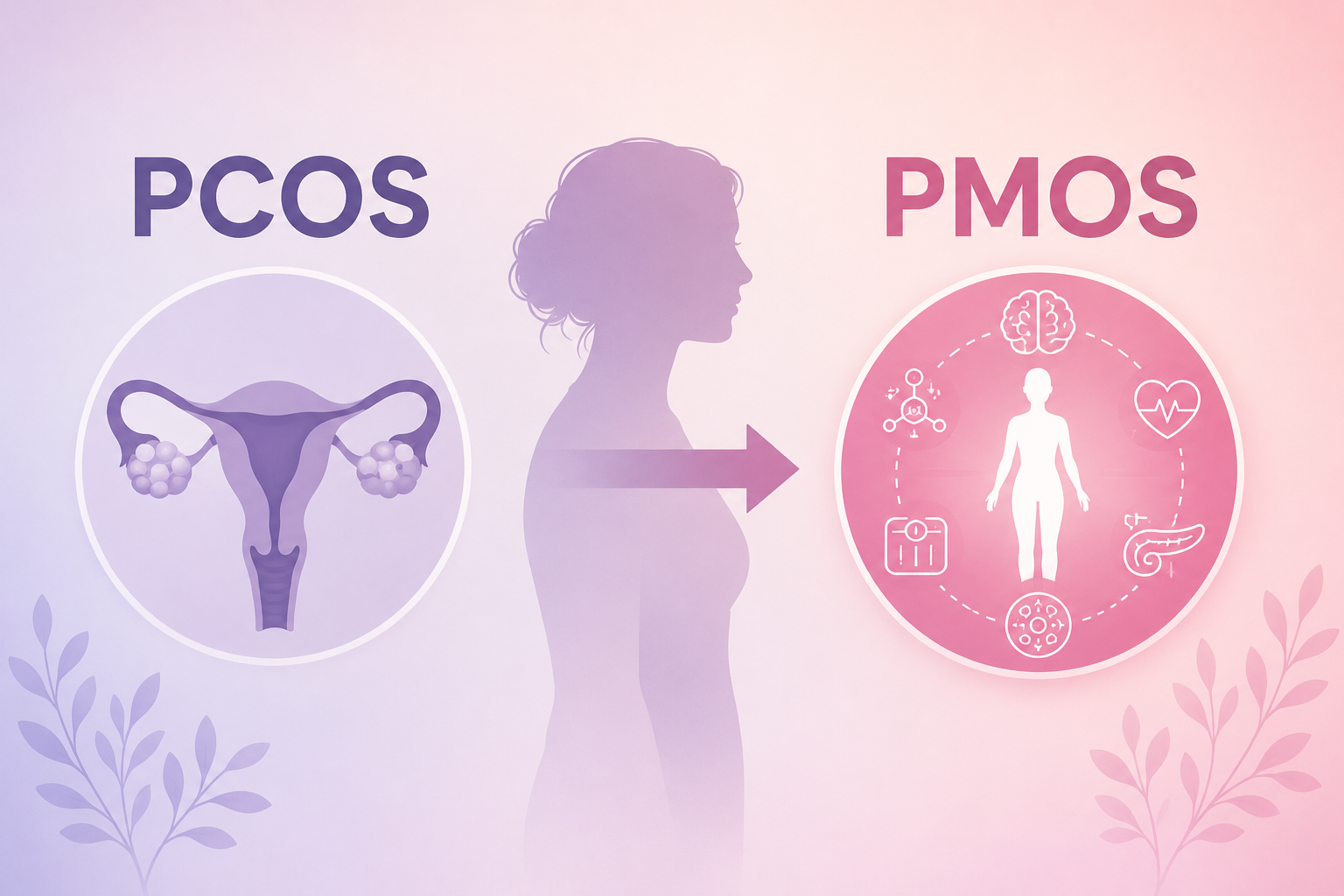
For years, millions of women across the world have heard the term PCOS – short for Polycystic Ovary Syndrome.
But despite how common the condition is, many doctors, researchers, and patients have long believed the name itself never fully explained what the disorder actually involves.
Now, after global discussions among medical experts and endocrine specialists, PCOS is officially being renamed to PMOS — Polyendocrine Metabolic Ovarian Syndrome.
At first glance, this may seem like just another medical terminology update. But the change is actually much bigger than that. It reflects a growing understanding that the condition affects far more than just the ovaries.
Why Was PCOS Renamed?
One of the biggest problems with the term “Polycystic Ovary Syndrome” was that it often created confusion. Many women diagnosed with PCOS don’t actually have ovarian cysts.
And at the same time, the condition impacts multiple systems in the body — not just reproductive health. That’s where the new name, PMOS, comes in.
The term “Polyendocrine Metabolic Ovarian Syndrome” is designed to better reflect the condition’s wider hormonal and metabolic impact.
Medical experts involved in the global consensus said the new name may help improve:
- diagnosis
- awareness
- treatment approaches
- patient understanding
The goal is to move beyond a narrow reproductive-health label and recognize the condition as a broader endocrine and metabolic disorder.
PCOS Was Always More Than a Reproductive Condition
For many women, PCOS symptoms extend far beyond irregular periods or fertility concerns.
The condition can affect:
- hormones
- metabolism
- insulin regulation
- skin health
- weight management
- mental health
- energy levels
Some women experience:
- acne
- excessive hair growth
- hair thinning
- fatigue
- anxiety
- difficulty losing weight
- irregular menstrual cycles
Others may not even realize they have the condition for years because symptoms vary significantly from person to person.
And that variability is one reason diagnosis has historically been delayed for many women.
Why the New Name Matters?
Names influence how conditions are perceived — both medically and socially.
The older term sometimes caused patients to believe the condition only involved ovarian cysts or fertility issues.
But experts increasingly emphasize that PCOS is closely connected to:
- insulin resistance
- metabolic dysfunction
- hormonal imbalance
- cardiovascular risks
- long-term health outcomes
By introducing the word “metabolic” and “polyendocrine,” the new name attempts to capture the complexity of the condition more accurately.
In simpler terms: the disorder affects multiple hormone systems across the body.
PMOS Could Help Earlier Diagnosis
One major reason health experts supported the name change is because many women struggle for years before receiving proper diagnosis and treatment.
Symptoms are often dismissed as:
- stress
- lifestyle changes
- weight fluctuations
- “normal hormonal issues”
In many cases, women move between doctors without receiving clear answers.
The broader framing of PMOS may help healthcare providers recognize the condition sooner, especially when symptoms appear outside traditional reproductive categories.
And early diagnosis matters because untreated hormonal and metabolic imbalances can affect long-term health.
The Mental Health Side Is Often Ignored
One important conversation around PCOS – and now PMOS – is mental health. Many women with the condition report experiencing:
- anxiety
- body image struggles
- depression
- emotional fatigue
- stress related to symptoms
Hormonal imbalance itself can affect mood and emotional regulation. At the same time, dealing with visible symptoms like acne, hair growth, or weight changes can also impact self-confidence and emotional well-being.
Experts increasingly believe treatment approaches should address both physical and psychological health rather than focusing only on reproductive symptoms.
Lifestyle Still Plays a Big Role in Management
Although there is no single “cure” for PCOS or PMOS, lifestyle management often becomes a major part of treatment.
Doctors frequently recommend:
- balanced nutrition
- regular physical activity
- stress management
- sleep improvement
- blood sugar regulation
In some cases, medication may also be prescribed to manage:
- insulin resistance
- hormone levels
- menstrual irregularities
- fertility concerns
But experts stress that treatment should be individualized because symptoms and severity vary widely.
The Condition Is More Common Than Many Realize
PCOS is considered one of the most common hormonal disorders among women of reproductive age. Yet awareness gaps remain surprisingly large.
Many women only discover they have the condition after:
- fertility evaluations
- persistent hormonal symptoms
- metabolic testing
- prolonged menstrual irregularities
And because symptoms differ so widely, the condition often looks different from one person to another.
That complexity is another reason medical experts pushed for terminology that reflects a broader systemic condition rather than a single symptom.
Women’s Health Conversations Are Evolving
The renaming of PCOS to PMOS also reflects a larger shift happening in women’s healthcare globally.
For years, several women’s health conditions were:
- under-researched
- misunderstood
- oversimplified
- diagnosed late
Today, there is growing recognition that women’s hormonal health deserves deeper medical attention and more nuanced understanding.
The PMOS terminology change may seem small on the surface, but it signals a broader effort to improve how women’s health conditions are studied, diagnosed, and discussed.
What Happens Next?
The transition from PCOS to PMOS will likely take time.
Medical systems, healthcare providers, educational materials, and public awareness campaigns will gradually adapt to the updated terminology.
For now, many people may still continue using “PCOS” because it remains the more widely recognized term. But over time, PMOS could help create a more accurate and comprehensive understanding of the condition.
And for many women, that shift in understanding itself could make a meaningful difference.
Conclusion
The renaming of PCOS to PMOS is not simply about changing medical terminology. It reflects a broader realization that the condition affects multiple hormonal and metabolic systems — not just the ovaries.
More importantly, it highlights the need for:
- earlier diagnosis
- better awareness
- holistic treatment approaches
- stronger women’s health conversations
And perhaps most importantly, it reminds us that many health conditions women deal with every day are far more complex than they have traditionally been portrayed.

3 Comments
Pingback: India Gets Faster Immunotherapy Treatment for Lung Cancer
Pingback: World Hypertension Day: Why High BP Is Rising Silently in India
Pingback: Dr Tarang Yadav Redefines Women’s Healthcare