

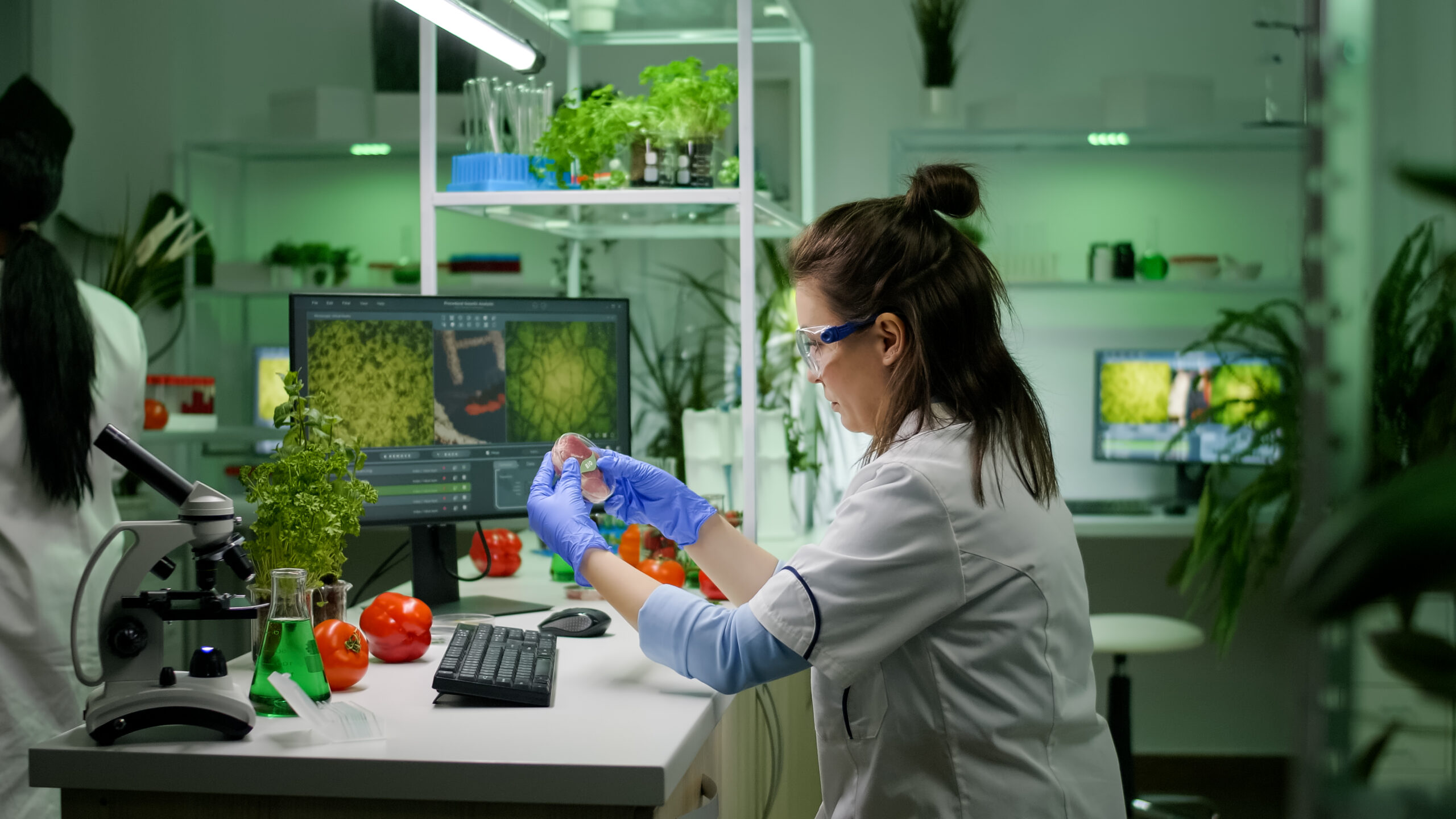
The FoodTech sector has emerged as one of the fastest-growing segments within the global startup ecosystem, driven by advances in artificial intelligence (AI), biotechnology, automation, and digital commerce. Startups today are transforming how food is produced, delivered, and consumed by addressing challenges such as food security, supply chain inefficiencies, sustainability, and changing consumer preferences. From quick commerce and cloud kitchens to cultivated meat and precision fermentation, FoodTech companies are introducing technologies that are reshaping the food industry.
Here are ten FoodTech startups that continue to influence the sector through innovation, scale, and market impact.
1. Zepto
Founded in 2021 by Aadit Palicha and Kaivalya Vohra, Zepto built one of India’s fastest-growing quick-commerce platforms. The company delivers groceries in approximately 10 minutes through a network of dark stores supported by AI-based inventory management and demand forecasting. In addition to groceries, Zepto has expanded into fresh produce, ready-to-eat meals, and private-label products, strengthening its position in India’s digital retail ecosystem.
2. Swiggy
Swiggy has evolved beyond restaurant delivery into a multi-service convenience platform. Alongside food delivery, it operates Instamart for grocery deliveries and provides restaurant technology, logistics, and dining solutions. The company uses machine learning to optimize delivery routes, personalize customer recommendations, and improve operational efficiency, making it one of India’s largest FoodTech companies.
3. Zomato
Founded in 2008, Zomato operates one of India’s largest online food ordering platforms. The company connects millions of consumers with restaurants while supporting restaurant partners through Hyperpure, its B2B supplies business. Its acquisition of Blinkit also strengthened its presence in the quick-commerce segment, expanding its technology-driven consumer ecosystem.
4. Rebel Foods
Rebel Foods pioneered the cloud kitchen model in India and now operates one of the world’s largest internet restaurant networks. Instead of traditional dine-in outlets, the company runs technology-enabled kitchens that prepare food exclusively for online orders. Its portfolio includes brands such as Behrouz Biryani, Faasos, Oven Story Pizza, and LunchBox, enabling the company to serve multiple cuisines from a single kitchen infrastructure.
5. Curefoods
Established by former Flipkart executive Ankit Nagori, Curefoods operates digital-first food brands across healthy meals, pizzas, biryani, beverages, and desserts. The company relies on centralized kitchens, technology-led operations, and data analytics to maintain product consistency while scaling efficiently across multiple Indian cities.
6. NotCo
Founded in Chile, NotCo develops plant-based alternatives using proprietary artificial intelligence. Its AI platform, known as Giuseppe, analyzes thousands of plant ingredients to recreate the taste, texture, and nutritional profile of animal-based foods. The company has expanded into multiple international markets with products including milk, burgers, mayonnaise, and ice cream.
7. Upside Foods
Upside Foods develops cultivated meat by growing animal cells instead of raising livestock. The company aims to reduce greenhouse gas emissions, land use, and water consumption associated with conventional meat production. It became one of the first companies to receive regulatory approval in the United States for cultivated chicken, marking a significant milestone for the cellular agriculture industry.
8. Perfect Day
Perfect Day produces animal-free dairy proteins through precision fermentation. Instead of using cows, the company programs microflora to produce whey proteins that match those found in conventional dairy. Food manufacturers use these proteins to produce ice cream, cream cheese, and other dairy products while reducing environmental impact.
9. Infinite Roots
German startup Infinite Roots, formerly Mushlabs, develops sustainable protein ingredients from mushroom mycelium through fermentation technology. The company focuses on producing nutritious alternatives that require significantly less land and water than conventional livestock farming while maintaining scalability for commercial food production.
10. Oishii
Oishii combines robotics, automation, and controlled-environment agriculture to cultivate premium strawberries indoors. By replicating ideal growing conditions year-round, the company minimizes pesticide use and reduces weather-related crop risks. Its vertical farming technology demonstrates how urban agriculture can improve food production efficiency.
Outlook
FoodTech startups continue to redefine the global food ecosystem by combining digital technologies with scientific innovation. Companies across food delivery, alternative proteins, biotechnology, and smart agriculture are improving efficiency while addressing sustainability and food security challenges. As investment in the sector remains strong and consumer demand for convenience and sustainable food grows, FoodTech startups are expected to play an increasingly important role in shaping the future of the global food industry.
