

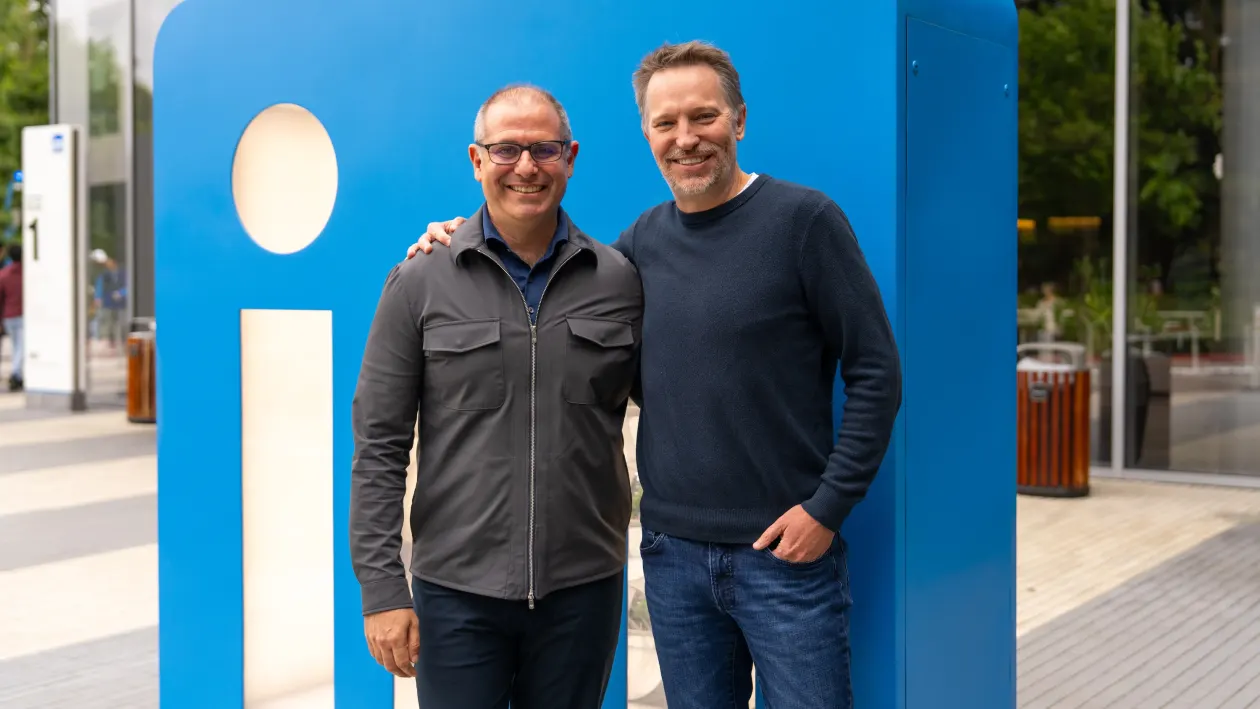
In a significant leadership transition that could shape the future of professional networking, LinkedIn has appointed Daniel Shapero as its new Chief Executive Officer.
The move marks a new chapter for the platform, which has evolved from a simple networking site into a global ecosystem for careers, hiring, content, and business intelligence.
With Shapero stepping into the top role, industry observers are closely watching how LinkedIn will navigate its next phase of growth—particularly in an era defined by artificial intelligence, changing workplace dynamics, and increasing competition in the digital space.
A Leadership Transition at a Crucial Time
Leadership changes in major tech companies often signal strategic shifts, and this appointment is no exception.
LinkedIn is currently operating in a rapidly evolving environment where:
- AI is transforming hiring and recruitment
- remote and hybrid work are redefining professional interactions
- content-driven platforms are competing for user attention
The appointment of Daniel Shapero comes at a time when LinkedIn is expected to double down on innovation while maintaining its core identity as a trusted professional platform.
Who Is Daniel Shapero?
Daniel Shapero is not an outsider brought in to disrupt the system—he is a seasoned insider with deep roots within LinkedIn.
Over the years, he has held key leadership roles, contributing to:
- product development
- business strategy
- platform growth
His familiarity with the company’s culture, operations, and long-term vision makes him a natural choice for the CEO position.
The Microsoft Connection
LinkedIn operates under the umbrella of Microsoft, which acquired the platform in 2016 in one of the largest deals in tech history.
This relationship has played a crucial role in LinkedIn’s growth, enabling:
- integration with enterprise tools
- access to advanced AI capabilities
- expansion into new markets
As CEO, Shapero will continue to work closely with Microsoft’s leadership to align LinkedIn’s strategy with broader technological trends.
LinkedIn’s Evolution Over the Years
Since its launch, LinkedIn has transformed significantly. What began as a professional networking site has evolved into:
- a recruitment powerhouse
- a content platform
- a learning hub
Today, LinkedIn offers:
- job listings and hiring tools
- professional content and thought leadership
- online learning through LinkedIn Learning
This diversification has made it an essential platform for professionals worldwide.
Key Challenges Ahead
While LinkedIn remains a dominant player, it faces several challenges:
1. Competition for Attention
Platforms like other social media networks are increasingly targeting professional audiences.
2. AI Disruption
Artificial intelligence is changing how hiring, networking, and content creation work.
3. User Engagement
Maintaining engagement while preserving a professional tone is a delicate balance.
Shapero’s leadership will be tested in addressing these challenges effectively.
The Role of AI in LinkedIn’s Future
AI is expected to play a central role in LinkedIn’s next phase.
Potential applications include:
- smarter job recommendations
- AI-powered resume optimization
- enhanced content discovery
With Microsoft’s strong focus on AI, LinkedIn is well-positioned to leverage these technologies.
Strengthening the Professional Ecosystem
One of LinkedIn’s biggest strengths is its ecosystem. It connects:
- job seekers
- recruiters
- businesses
- thought leaders
Under Shapero’s leadership, the focus is likely to remain on strengthening these connections while introducing new features that add value.
Opportunities for Growth
Despite being a mature platform, LinkedIn still has significant growth opportunities:
- expanding in emerging markets
- increasing engagement among younger users
- enhancing premium offerings
These areas could drive the platform’s next wave of growth.
A Focus on Trust and Credibility
Unlike many social media platforms, LinkedIn has built its reputation on trust and professionalism. Maintaining this credibility is crucial.
This involves:
- ensuring quality content
- preventing misinformation
- fostering meaningful interactions
The Future of Work and LinkedIn’s Role
As the nature of work evolves, LinkedIn’s role becomes even more important.
The platform is uniquely positioned to:
- support career transitions
- enable skill development
- connect talent with opportunities
Shapero’s leadership will likely focus on aligning LinkedIn with these changing dynamics.
Industry Reactions
The appointment has generated significant interest within the tech and business communities.
Many see it as:
- a move towards continuity
- a sign of stability
- an opportunity for innovation
What This Means for Users?
For LinkedIn users, the leadership change could bring:
- new features
- improved user experience
- enhanced tools for networking and hiring
However, the core value of the platform is expected to remain intact.
Looking Ahead
The road ahead for LinkedIn under Daniel Shapero involves balancing:
- innovation and stability
- growth and trust
- technology and human connection
This balance will be key to the platform’s continued success.
Conclusion
The appointment of Daniel Shapero as CEO marks an important milestone for LinkedIn.
As the platform continues to evolve, its ability to adapt to changing trends while staying true to its core mission will determine its future.
With strong backing from Microsoft and a clear vision for growth, LinkedIn is well-positioned to remain a leader in the professional networking space.
