

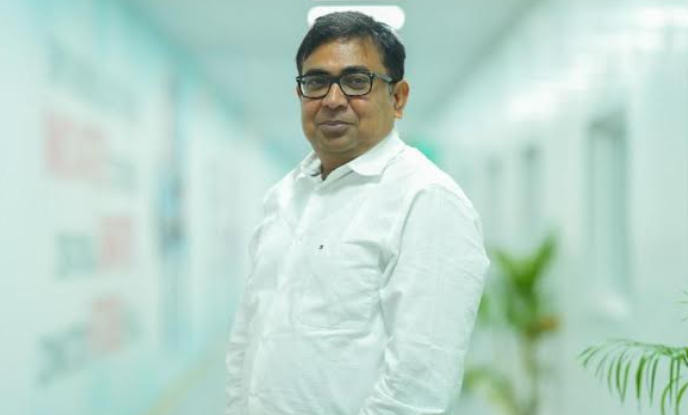
By Pawan Kumar, CEO of Elista
India’s cooling appliances market is entering a decisive growth phase, driven by rising temperatures, tightening efficiency norms, and rapidly evolving consumer expectations. What was once a largely seasonal purchase is steadily becoming a household essential. As heatwaves grow more frequent and prolonged, the demand curve for air conditioners, air coolers and refrigeration products is moving structurally upward. Industry estimates indicate room AC sales jumped 40–50% during peak heatwave periods, highlighting the direct link between extreme temperatures and cooling demand.
Recent summers have made the shift hard to ignore. Data from the India Meteorological Department (IMD) shows several parts of the country, particularly north and central India, have experienced above-normal temperatures and longer heatwave spells. The agency alsorecorded 77 heatwave events covering 536 cumulative days in 2024, underlining the growing intensity and spread of extreme heat across the country. This climatic reality is expanding the addressable market for cooling products. Households that once relied primarily on fans are increasingly moving toward more effective cooling solutions, while existing users are upgrading to higher-capacity and more efficient models.
Heat Is Expanding the Market Base
There is still plenty of room for air-conditioner adoption to grow in India. Even with demand picking up in recent years, AC ownership is estimated to be around 10% of households. Compared with China and most developed markets, where penetration levels are far higher, India remains significantly under-served. This means even modest increases in adoption can translate into meaningful volume gains for the industry.
What is also changing is the geography of demand. Growth is no longer confined to large metros. Tier-2 and Tier-3 cities are steadily emerging as important markets, supported by rising disposable incomes, improving electricity reliability and expanding retail access. E-commerce has further widened reach, helping brands connect with first-time buyers in smaller towns, while no-cost EMI schemes and structured financing options are reducing the upfront purchase barrier. For many households, affordability mechanisms are making higher-capacity and energy-efficient models a realistic option rather than a distant upgrade.
Government-led infrastructure expansion is reinforcing this trend. Large housing developments, improved urban planning and deeper rural electrification are creating the physical and power infrastructure necessary for wider cooling adoption. As more homes are built with reliable electricity access and modern layouts, cooling appliances are increasingly seen as functional essentials rather than discretionary purchases.
At the same time, summers in many parts of the country are becoming longer and more intense. The cooling season is gradually stretching beyond its earlier peak months, softening the sharp seasonality that once defined the category and providing more sustained demand visibility.
Efficiency Norms Tighten the Market
An important structural shift is also coming from regulation. India is preparing for the next revision of the Bureau of Energy Efficiency (BEE) star labelling norms for air conditioners in 2026. With each revision cycle, the baseline efficiency requirements become more stringent, effectively resetting the performance benchmark across the industry.
India already operates among the more demanding energy efficiency regimes globally for room air conditioners. The upcoming BEE transition is expected to further raise the minimum efficiency thresholds, pushing manufacturers to redesign products with more advanced compressors, better heat exchangers and improved control logic.
For consumers, this typically translates into higher upfront prices but lower lifetime running costs. For manufacturers, however, it adds another layer of cost and engineering complexity at a time when input prices remain volatile.
Technology Is Reshaping the Cooling Conversation
Technology adoption is moving in parallel with regulatory tightening. The shift toward inverter air conditioners continues to gather pace as buyers prioritise energy savings and quieter performance. Smart features such as app control, voice assistant compatibility and intelligent temperature management are steadily filtering into the mid-range segment.
There is also growing demand for products engineered for India-specific conditions. High-ambient cooling, corrosion protection and stabiliser-free operation are gaining importance as brands respond to real-world usage environments. This localisation of product design is improving performance consistency and helping brands differentiate in a crowded market.
Innovation at the component level is equally critical. Advances in compressor technology, improved airflow design and the use of high-durability materials are enabling better performance in extreme temperature conditions. As heat intensity rises, product engineering is increasingly focused on maintaining cooling efficiency even in high-ambient environments, ensuring reliability during peak summer loads.
Local Manufacturing Gets a Push
The cooling upcycle is also reinforcing the importance of domestic manufacturing. Production-linked incentive (PLI) schemes for white goods have encouraged investments in compressor and component ecosystems within India. A deeper local supply chain can help moderate long-term cost volatility and improve supply resilience. Component localisation under the Make in India initiative is gradually reducing import dependency across compressors, heat exchangers and other critical parts. As domestic manufacturing depth improves, cost competitiveness is strengthening and supply chain resilience is improving. While imports remain important, the ecosystem is steadily maturing toward higher value addition within the country.
That said, key inputs such as copper, aluminium and electronic components continue to influence pricing in the near term. As efficiency norms tighten and feature content rises, cost management remains a delicate balancing act for manufacturers.
The cooling boom is not limited to households. Commercial sectors such as retail, healthcare, education and warehousing are investing heavily in advanced HVAC systems to maintain temperature stability and improve energy efficiency. The growth of organised retail, cold storage logistics and modern commercial infrastructure is adding another structural layer of demand to the cooling ecosystem.
Also Read: India’s EV Battery Market Growth 2026: Tata Group and Reliance Industries Lead Energy Transition
A Market in Transition
India’s cooling boom isn’t just about hotter summers anymore. Heat may have kicked off the demand, but what’s keeping it going is a mix of tighter efficiency rules, more aware consumers and easier market access. With the 2026 BEE shift getting closer, another round of tech upgrades and product tweaks looks quite likely.
Heat resilience is also emerging as a broader policy priority. Urban planning frameworks and state-level climate action strategies are increasingly factoring in cooling infrastructure, opening avenues for public-private collaboration in sustainable cooling solutions. This policy alignment could further accelerate investment in energy-efficient and climate-responsive technologies.
Another visible shift is the steady premiumisation of the category. Consumers are not only buying more cooling appliances; they are also opting for higher tonnage, better filtration and feature-rich models. Health awareness and comfort expectations are both playing a role. At the same time, affordability continues to matter, especially in emerging markets. Flexible financing, seasonal offers and broader product portfolios are helping brands address a wide price spectrum.
For brands, the opportunity is significant, but execution will matter. Those that combine energy efficiency, climate-ready engineering and competitive pricing will be best placed to ride India’s next cooling wave.

1 Comment
Pingback: GL Bajaj Placement 2026: 1000+ Offers from Top MNCs